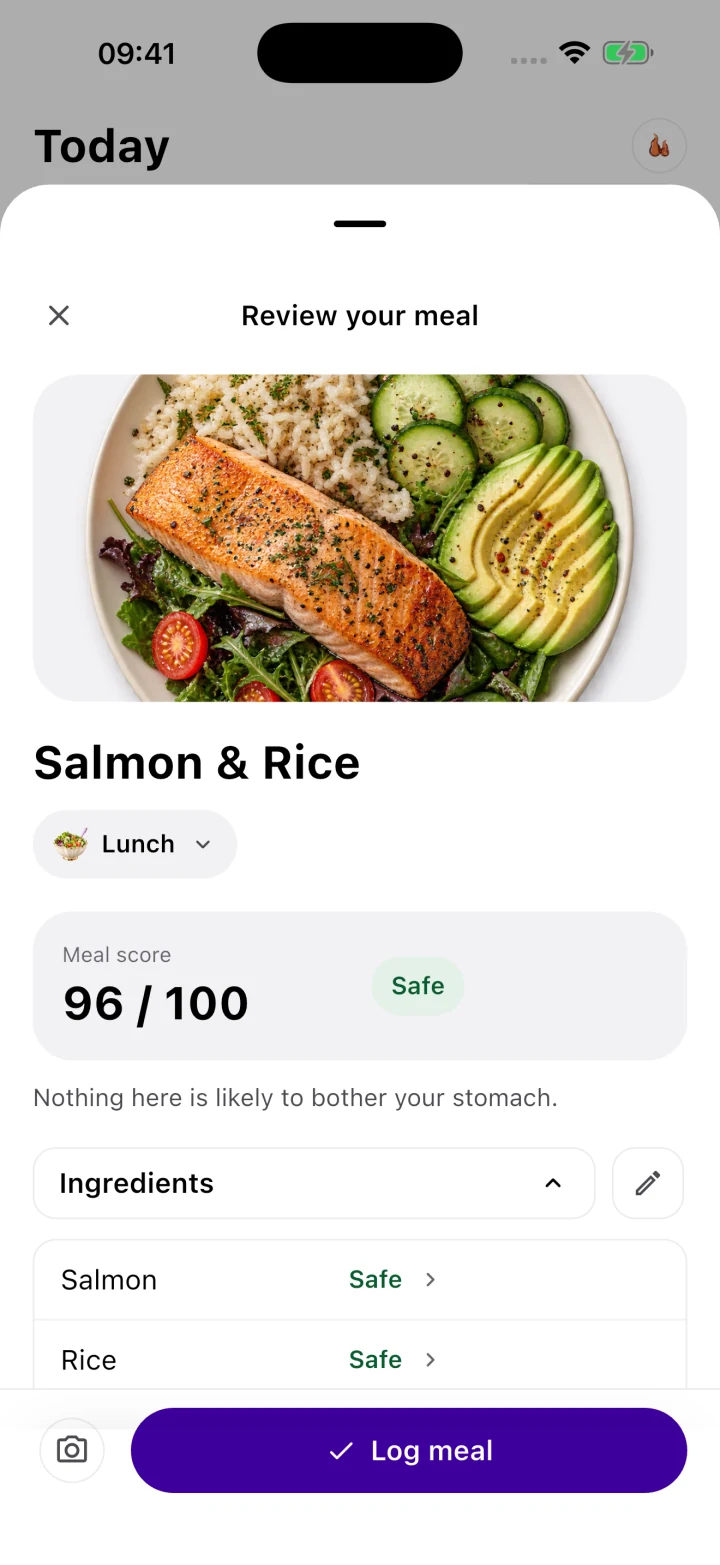
Quick Answer for Eating Out with Gastritis & GERD: To eat out safely with gastritis or GERD, order single-ingredient lean proteins (grilled fish, skinless poultry, or tofu) cooked dry without butter, garlic, or onion, alongside plain complex carbohydrates like steamed white rice, baked potatoes, or plain pasta with extra virgin olive oil on the side (GSI 75–92).
Introduction: Conquering Social Anxiety and Restaurant Dread When Food Triggers Stomach Pain
For a patient managing erosive gastritis, non-erosive reflux disease (NERD), or gastroesophageal reflux disease (GERD), an invitation to a restaurant rarely registers as a relaxing social event. Instead, it initiates a cascade of physiological anticipation and anxiety. When your gastric mucosa is inflamed—characterized histologically by neutrophil infiltration, epithelial cell sloughing, or depleted surface mucus—a single miscalculated meal does not merely cause transient indigestion. It can provoke days of epigastric burning, retrosternal chest pain, nocturnal laryngopharyngeal reflux (LPR), and early satiety.
This hyper-vigilance is clinically justified. Home kitchens allow total control over lipid density, titratable acidity, and mechanical texture. Commercial restaurant kitchens, conversely, operate on the culinary principles of flavor maximization and speed of service. To achieve rapid caramelization and high palatability, commercial lines rely heavily on clarified butter, high-omega-6 vegetable oils, concentrated allium bases (garlic and onion powders), black pepper (piperine), capsicum, and acidulants like lemon juice, wine, and vinegar.
When a patient in the middle of proton pump inhibitor (PPI) therapy or post-Helicobacter pylori eradication therapy consumes a standard restaurant meal, they face two distinct physiological insults:
- Direct Mucosal Irritation and Pepsin Reactivation: Gastritis patients have a compromised prostaglandin and bicarbonate-mucus barrier. In a healthy stomach, the surface epithelial cells secrete a thick, alkaline mucin layer that maintains a neutral pH (6.0–7.0) directly against the tissue, even when the luminal pH drops to 1.5–2.0. When this barrier is eroded, dietary acids with a pH below 4.0 (such as tomato reductions, vinaigrettes, and citrus marinades) directly contact exposed lamina propria nerve endings. Furthermore, tissue-bound pepsin—an aggressive proteolytic enzyme—remains dormant at pH levels above 4.5 but reactivates rapidly when exposed to acidic food boluses below pH 4.0, digesting the delicate mucosal lining of the stomach and esophagus.
- Cholecystokinin (CCK) Release and Delayed Gastric Emptying: Restaurant dishes routinely contain 35 to 60 grams of hidden fats per entrée through pan-mounting with butter (monter au beurre) and oil emulsions. When this concentrated lipid bolus enters the duodenum, enteroendocrine I-cells secrete large quantities of the hormone cholecystokinin (CCK). CCK performs two actions detrimental to the reflux and gastritis patient: it slows antral peristalsis (delaying gastric emptying and keeping gastric acid pooled in the stomach for 4 to 6 hours) and directly triggers transient lower esophageal sphincter relaxations (TLESRs), allowing gastric contents to reflux into the esophagus.
Because of these compounding mechanisms, patients who try to track their symptoms using standard diary methods often reach a frustrating conclusion: everything feels like a trigger. You order what appears to be a healthy grilled fish dish, experience four hours of burning epigastric pain, and mistakenly conclude that you can no longer tolerate fish. In reality, the fish was benign; the unannounced garlic-butter basting liquid and white wine deglaze caused the flare.
At Gutrack, we eliminate this ambiguity by evaluating meals through the Gastric Safety Index (GSI), our proprietary 0–100 clinical scoring algorithm. Rather than labeling foods as simplistically "good" or "bad," the GSI calculates the exact physiological load of a meal across five vectors: lipid density, titratable acidity (pH), osmolarity, mechanical fiber abrasion, and biochemical irritants (fructans, capsaicin, methylxanthines).
- Safe Zone (GSI 70–100): Low lipid load (< 12g fat per meal), pH > 5.0, free of chemical LES relaxants. Promotes rapid gastric emptying and protects the mucosal barrier.
- Caution Zone (GSI 40–69): Moderate lipid load (12–22g fat), mildly acidic (pH 4.3–4.9), or moderate allium/spice content. Tolerable only during mucosal remission.
- High Risk Zone (GSI 0–39): High lipid load (> 22g fat), high titratable acidity (pH < 4.2), fried preparation, or concentrated allium/capsaicin loads. Directly triggers TLESRs, pepsin activation, and mucosal inflammation.
This clinical guide dismantles commercial restaurant preparation across Italian, Asian, Mexican, and American Bistro cuisines. It provides exact ordering protocols, biochemical explanations for menu traps, and word-for-word scripts to communicate with restaurant staff so you can participate in social dining without compromising your mucosal recovery.
The Universal Dining Rules: Navigating Commercial Kitchen Operations
Before examining individual cuisines, you must understand how a commercial line operates. Restaurant meals are not cooked from scratch when your ticket prints in the kitchen. Up to 80% of the preparation occurs hours earlier during "prep," where meats are submerged in acidic or allium-heavy marinades, starches are par-cooked with aromatics, and sauces are reduced in bulk.
To keep a restaurant meal within the Safe GSI Zone (70–100), you must bypass the prep station's pre-seasoned components and order items that can be cooked to order from a raw, unseasoned state. Apply these five universal clinical rules at any dining establishment.
1. Mandate Dry-Heat or Water-Based Cooking Methods
The method of heat transfer dictates the final lipid concentration and chemical composition of your meal. Deep-frying, pan-frying, and commercial sautéing immerse food in oils heated past their smoke points, generating oxidized lipid byproducts and acrolein, which directly irritate the gastric mucosa. Furthermore, high-heat charring creates advanced glycation end-products (AGEs) and rigid, carbonized protein crusts that require intensive mechanical trituration by the gastric antrum and prolonged hydrochloric acid (HCl) secretion to break down.
Always request that proteins and vegetables be steamed, poached, boiled, baked dry, or grilled on a wiped section of the flat-top without oil or butter. Steaming and poaching maintain the food's intrinsic moisture, creating a soft bolus that passes through the pyloric sphincter rapidly without demanding excessive acid secretion.
2. Enforce the "10-Gram Lipid Ceiling" (Olive Oil on the Side)
In a commercial kitchen, a single "ladle" or "squeeze" of cooking oil from a squirt bottle equals 1.5 to 2 tablespoons (21 to 28 grams of fat) before the food is even plated. Even healthy monounsaturated fats like extra virgin olive oil will trigger CCK release and slow gastric emptying if consumed in excess of 12 to 15 grams in a single sitting during an acute gastritis flare.
Instruct your server that your meal must be cooked completely dry (or steamed in water/broth) and request a small ramekin of extra virgin olive oil on the side. This allows you to manually drizzle 1 to 2 teaspoons (4.5 to 9 grams of fat) over your starch and protein at the table, preserving palatability and caloric density while staying strictly beneath the threshold of CCK-mediated gastric stasis.
3. Eliminate Hidden Allium Bases (Garlic and Onion)
Garlic and onions are the foundational aromatics of Western, Asian, and Latin cooking. They present a dual hazard for patients with upper gastrointestinal disorders:
- Biochemical LES Relaxation and Mucosal Irritation: Raw and lightly cooked alliums contain organosulfur compounds—specifically allicin and diallyl disulfide—which activate transient receptor potential ankyrin 1 (TRPA1) and vanilloid 1 (TRPV1) pain receptors in the esophageal and gastric mucosa, while simultaneously lowering basal LES pressure.
- Osmotic and Fermentative Pressure: Alliums are extraordinarily high in fructans (oligosaccharides). Because the human small intestine lacks the hydrolase enzymes required to cleave fructan bonds, these molecules pass undigested into the distal small intestine and proximal colon, where rapid bacterial fermentation produces hydrogen and methane gas. This intraluminal gas increases intra-abdominal pressure, physically pushing upward against the stomach and forcing gastric acid through the gastroesophageal junction.
Because garlic and onion powders are premixed into almost all commercial "house seasoning" blends, you must specifically request plain kosher salt only on your protein and vegetables.
4. Neutralize Titratable Acidity (Avoid Tomato Paste, Wine Deglazes, and Citrus)
Patients often avoid raw tomatoes and citrus fruits at home yet inadvertently consume far more concentrated forms at restaurants. Tomato paste—used to thicken braised meats, soups, and sauces—has a pH between 3.5 and 4.2 and a high concentration of citric and malic acids. Similarly, chefs routinely "deglaze" pans with white or red wine (pH 3.0–3.8) or finish dishes with a squeeze of fresh lemon juice (pH 2.0–2.5).
When these acids hit the esophagus during swallowing, they reactivate pepsin molecules bound to the esophageal epithelium from prior reflux events. In the stomach, high titratable acidity stimulates further gastrin release and irritates eroded mucosal tissue. Never order dishes described as "braised," "piccata," "scampi," "marinara," or "ceviche."
5. Protect Colloidal Viscosity and Volume Dynamics
Gastric distension is one of the primary mechanical triggers for transient lower esophageal sphincter relaxations (TLESRs). Stretch receptors located in the proximal stomach (the fundus and cardia) monitor intragastric volume; when distended by a massive restaurant portion alongside two glasses of ice water, these mechanoreceptors signal the vagus nerve to relax the LES to vent gas, inadvertently allowing liquid acid to escape upward.
Follow strict volume control when dining out:
- Eat only 50% to 60% of a standard restaurant entrée and immediately box the remainder.
- Avoid drinking more than 4 ounces (120 mL) of room-temperature still water during the meal; consume the majority of your hydration 30 minutes before the food arrives or 60 minutes after finishing.
- Never order carbonated beverages (sparkling water, soda, beer). Carbonation introduces carbon dioxide gas that expands at body temperature (37°C), distending the gastric fundus and lowering intra-gastric pH via carbonic acid formation.
Cuisine-by-Cuisine Safe Orders & Menu Hacks
Understanding the culinary architecture of specific ethnic and regional restaurants allows you to spot safe ingredients on the menu and reassemble them into a high-GSI meal. Below is the clinical breakdown for the four most common dining categories.
1. Italian Cuisine: Bypassing Acidic Reductions and Heavy Cream Emulsions
Italian restaurants are notoriously difficult for GERD and gastritis patients due to the ubiquitous pairing of cooked tomato sauces (high titratable acidity) with aged cheeses, cured meats, and garlic. However, authentic Italian kitchens stock high-quality raw ingredients cooked to order, making them surprisingly easy to navigate if you bypass the standard sauce stations.
The Physiological Traps in Italian Kitchens
- Marinara, Pomodoro, and Bolognese Sauces: Simmered tomato sauces concentrate citric, malic, and ascorbic acids, bringing the final pH down to 3.8–4.2. Furthermore, commercial marinara is built on a soffritto base of olive oil, sautéed garlic, and yellow onion, seasoned with dried oregano and crushed red pepper flakes (capsaicin). Bolognese adds rendered beef and pork fat along with a red or white wine reduction. A standard bowl of pasta marinara scores a dismal GSI of 22 (High Risk).
- Alfredo, Carbonara, and Pesto: Patients who know to avoid red sauces frequently pivot to white or green sauces, triggering severe delayed reflux. Alfredo sauce is an emulsion of heavy cream, butter, and Parmigiano-Reggiano, routinely exceeding 55 grams of saturated fat per plate (GSI 15). Pesto, while plant-based, is a concentrated paste of raw garlic, pine nuts, aged cheese, and olive oil (GSI 28); the raw allicin and massive lipid density halt gastric emptying for hours.
- Risotto and Polenta: While rice and cornmeal are intrinsically gentle starches, restaurant risotto is started by sweating onions in butter, deglazing the Arborio rice with dry white wine (pH 3.3), and finishing the dish off-heat with cold butter and aged cheese. Unless made from scratch without wine or alliums (which is rarely possible during dinner service as risotto is par-cooked in bulk), standard risotto sits in the Caution to High Risk Zone (GSI 38–48).
Safe Italian Orders & Modifications (GSI 72–88)
- The Custom Pasta Protocol (GSI 82): Order plain pasta (penne, spaghetti, or gluten-free rice/corn pasta if you have overlapping non-celiac gluten sensitivity or IBS) boiled in salted water. Request that it be tossed strictly with a drizzle of extra virgin olive oil, fresh chopped basil or parsley, and topped with a plain grilled chicken breast or grilled shrimp cooked with salt only. If you are in the mucosal maintenance phase, a light dusting (1 teaspoon) of aged Parmigiano-Reggiano is often tolerated due to its near-zero lactose content, though dairy should be omitted entirely during acute erosive flares.
- Secondo Piatto: Grilled Branzino, Halibut, or Salmon (GSI 88): Italian restaurants almost always feature a Secondi (main protein) section with fresh fish. Order the fish fileted and grilled or baked in parchment (al cartoccio) with only salt, fresh rosemary or thyme, and a side of olive oil. Explicitly state: "No lemon juice, no white wine, no capers, and no garlic butter."
- Safe Contorni (Side Dishes): Pair your protein with steamed spinach, steamed broccolini, roasted potatoes (ask if they are pre-tossed in garlic or rosemary oil; if so, opt for boiled potatoes), or plain white cannellini beans rinsed of their liquid.
- The Bread Basket Rule: Decline the complimentary bread basket if it is served with garlic-infused oil or balsamic vinegar (pH 2.8–3.2). If plain sourdough or ciabatta is offered, a single slice dipped in a few drops of plain extra virgin olive oil is a safe gastric buffer (GSI 78), as the starch absorbs ambient free hydrochloric acid in the stomach lumen.
2. Japanese, Chinese, and Pan-Asian Cuisine: Navigating Sodium, Umami, and Frying
Asian cuisines—particularly Japanese—offer some of the highest-GSI meals available in commercial dining, provided you understand how to separate pure steamed and grilled preparations from sugary, acidic glazes and high-temperature wok frying.
The Physiological Traps in Asian Kitchens
- Tempura, Katsu, and General Tso's (Deep-Fried Coatings): Batters submerged in deep fryers absorb massive quantities of oxidized soybean or canola oil. A single serving of vegetable or shrimp tempura or chicken katsu triggers rapid CCK release, lowers LES tone, and introduces jagged, fried starch particulates that physically abrade inflamed antral mucosa (GSI 18–25).
- Teriyaki, Sweet & Sour, and Hoisin Glazes: Commercial teriyaki sauce is not merely soy sauce; it is a concentrated reduction of soy sauce, sugar, mirin (sweet rice wine), sake, grated garlic, and ginger. High-osmolarity, hypertonic sugar solutions draw water into the gastric lumen via osmosis, causing gastric distension and slowing antral motility. Sweet and sour sauces rely on distilled white vinegar or rice vinegar (pH 2.4–3.2) and pineapple juice, immediately activating pepsin (GSI 26).
- Chili Oils, Szechuan Peppercorns, and Curry Pastes: Thai, Szechuan, and Indian curries utilize capsaicin-rich chili pastes alongside garlic, shallots, and high-fat coconut milk. Capsaicin binds directly to TRPV1 receptors lining the esophagus and stomach, inducing neurogenic inflammation and intense burning pain even in the absence of excess acid (GSI 10–20).
- Sushi Rice Hidden Vinegar: A subtle clinical nuance that confuses many gastritis patients is sushi rice (shari). Unlike plain steamed white rice, sushi rice is seasoned while hot with a mixture of rice vinegar, sugar, and salt, bringing its pH down to approximately 4.1–4.4. For a patient in stable GERD management, sushi rice is generally well-tolerated (GSI 68). However, for a patient in an acute erosive gastritis flare, the acetic acid in vinegared sushi rice can provoke mild epigastric stinging; these patients should ask the sushi bar for plain steamed white rice (gohan) from the kitchen line instead.
Safe Japanese & Asian Orders & Modifications (GSI 75–94)
- Japanese Sashimi and Steamed Rice (GSI 90): Raw slices of lean fish (tuna, yellowtail, fluke, or salmon) paired with a bowl of plain steamed white rice represent one of the cleanest, most digestible meals on earth. Fish protein has short muscle fibers and negligible connective tissue (collagen) compared to beef, allowing it to be broken down by gastric proteases in under 90 minutes. Avoid the wasabi (horseradish is a potent mucosal irritant), skip the pickled ginger (acidified with vinegar), and use only a drop of low-sodium tamari or soy sauce.
- Plain Maki Rolls (GSI 76–84): Order simple rolls wrapped in nori (seaweed): cucumber roll (Kappa Maki), avocado roll, salmon roll, or cooked shrimp roll. Nori is rich in soluble alginates—polysaccharides that form a soothing, viscous colloidal gel upon contact with gastric acid, acting as a physical raft that protects the upper stomach and esophagus. Never order rolls labeled "spicy" (mayonnaise + sriracha), "crunchy" (tempura flakes), or topped with "eel sauce" (high-sugar reduction).
- Miso Soup and Clear Dashi Broth (GSI 82): A small bowl of miso soup made with dashi (kelp and bonito broth), silken tofu cubes, and wakame seaweed is warm, alkaline-buffering, and soothing to the gastric lining. Ask the server to omit the chopped raw green onions (scallions) usually garnished on top. Note: Because miso is high in sodium—and hypertonic sodium concentrations can irritate severe mucosal erosions—sip the broth in moderation alongside plain rice.
- Chinese Steamed Diet Dishes (GSI 88): Almost every authentic Chinese and Cantonese restaurant has a "Steamed / Diet" section on the menu, or can execute it upon request. Order steamed chicken breast or white fish with bok choy, carrots, and snow peas, with the brown or white garlic sauce left completely off (or on the side for dipping your fork tines). Eat this over steamed white jasmine rice with a teaspoon of toasted sesame oil or soy sauce added at the table.
- Vietnamese Pho Modification (GSI 75): Traditional beef or chicken Pho features a clear bone broth simmered with star anise, cinnamon, and charred ginger/onion, served with flat rice noodles and lean protein. Because the aromatics are strained out after simmering, many gastritis patients tolerate plain Pho broth remarkably well. To make it safe: order Pho Ga (shredded chicken breast) or lean eye-of-round beef, ask them to hold the raw sliced onions, jalapeños, and lime wedges, and do not add hoisin or sriracha to the bowl.
3. Mexican & Latin American Cuisine: Avoiding Capsaicin, Citrus Marinades, and Lard
Mexican cuisine has a reputation as a universal trigger for acid reflux, largely due to Americanized Tex-Mex preparations laden with melted yellow cheddar cheese, sour cream, deep-fried tortilla chips, and fiery tomato-chili salsas. However, the indigenous core ingredients of Mexican cooking—corn (masa), black beans, avocado, rice, and lean poultry or seafood—can be configured into a remarkably safe meal if you navigate around the marinades.
The Physiological Traps in Mexican Kitchens
- Fajitas and Carne Asada Marinades: Patients often assume ordering grilled chicken or steak fajitas (without eating the tortillas) is a safe, low-carb option. In commercial Mexican kitchens, fajita meats and carne asada are marinated for 12 to 24 hours in a liquid bath of lime juice (pH 2.2), orange juice, soybean oil, garlic powder, onion powder, cumin, and chili powder. Even if scraped off, the citrus acid and allium compounds have denatured and penetrated the muscle fibers, while the vegetables beneath the meat are sizzled in heavy oil and sautéed onions (GSI 28).
- Refried Beans (Frijoles Refritos) and Mexican Red Rice: Refried beans are mashed pinto beans cooked with rendered pork lard (manteca) or vegetable shortening and garlic/onion. Mexican red rice ("Spanish rice") is toasted in oil with tomato bouillon, garlic, and onion. Both staple side dishes sit firmly in the Caution to High Risk Zone (GSI 35–45).
- Chips, Salsa, and Guacamole: Corn tortilla chips are deep-fried, carrying high lipid loads and sharp, rigid mechanical edges that scratch an inflamed esophagus and antrum. Salsa combines raw tomatoes (acid), raw onions (fructans/allicin), cilantro, lime juice (acid), and jalapeños/serranos (capsaicin), scoring an abysmal GSI of 12. Even commercial guacamole is rarely plain avocado; it is mixed with raw diced onion, lime juice, garlic salt, and jalapeño (GSI 42).
Safe Mexican Orders & Modifications (GSI 74–86)
- The Deconstructed Cantina Bowl or Soft Corn Tacos (GSI 80): Ask your server if the kitchen has unmarinated raw chicken breast, shrimp, or white fish (such as mahi-mahi or tilapia) that can be seasoned purely with salt and cooked on a clean section of the plancha (flat-top grill). Order this served over plain white cilantro-lime rice (or plain white rice if available; many kitchens cook a base batch of plain white rice before mixing half of it with tomato bouillon) and whole black beans (ask for them drained of their seasoned pot liquor).
- Fresh Sliced Avocado vs. Guacamole (GSI 86): Instead of ordering prepared guacamole, ask the kitchen for half of a fresh, plain sliced avocado on the side. Avocado provides monounsaturated oleic acid and soluble fiber without the raw onion, garlic, or citric acid found in guacamole. Eat 3 to 4 slices (roughly 50 grams, or 7.5 grams of fat) alongside your rice and chicken.
- Warm Soft Corn Tortillas (GSI 84): Authentic nixtamalized corn tortillas contain only three ingredients: ground corn treated with slaked lime (calcium hydroxide), water, and salt. Notably, calcium hydroxide is an alkaline mineral—the exact same chemical compound used in antacids—giving nixtamalized corn masa a naturally high, acid-buffering pH (6.5–7.2). Always choose soft steamed or dry-warmed corn tortillas over flour tortillas (which contain lard, hydrogenated vegetable shortening, or mono- and diglycerides) and never eat hard, deep-fried taco shells.
4. American Bistro, Steakhouses, and Breakfast Diners
Steakhouses and upscale American bistros are among the easiest venues for dining out with gastritis and GERD because their business model revolves around cooking individual cuts of meat and fish to order accompanied by modular, single-ingredient side dishes (à la carte).
The Physiological Traps in American Bistros
- Restaurant Steaks and "Hotel Butter": High-end steakhouses brush their ribeyes and strip steaks with clarified butter mixed with garlic and herbs ("hotel butter" or maître d'hôtel butter) immediately before serving. Furthermore, a heavily marbled 12-ounce ribeye steak contains over 60 grams of intrinsic saturated animal fat and dense elastin/collagen fibers. Digesting a fatty steak requires sustained gastrin release, high-concentration hydrochloric acid, and prolonged antral grinding, keeping the stomach full and acidic for up to 6 hours (GSI 20).
- Mashed Potatoes and Creamed Spinach: Bistro mashed potatoes are frequently prepared at a 2:1 ratio of potato to dairy (heavy cream and butter), plus roasted garlic. Creamed spinach and gratins are equally lipid-dense, reliably triggering TLESRs (GSI 30).
- Diner Omelets and Scrambled Eggs: Diners frequently crack eggs into a bulk blender with pancake batter or heavy cream to make them fluffy, then cook them on a griddle coated in margarine or bacon grease.
Safe American Bistro & Diner Orders (GSI 72–92)
- Grilled Salmon, Cod, Halibut, or Skinless Chicken Breast (GSI 90): Order your fish or poultry cooked dry on the grill or baked in the oven with no basting butter and no house seasoning blend (which contains black pepper, garlic powder, and onion powder). Request kosher salt only.
- If Ordering Red Meat: The 6-Ounce Filet Mignon (GSI 70): If you are at a steakhouse and wish to order beef during a stable phase of recovery, order the smallest Filet Mignon (tenderloin) available—typically 6 ounces. The psoas major muscle (tenderloin) is the leanest, softest cut on the animal, containing minimal intramuscular fat and very little connective tissue. Order it cooked medium (rare meat requires more enzymatic work to break down, while well-done meat becomes tough and charred), cooked dry with salt only, and slice it extremely thinly before chewing thoroughly.
- The Plain Baked Potato & Sweet Potato Hack (GSI 92): A plain baked Russet potato or baked sweet potato is a premier mucosal recovery food. Potatoes are rich in soothing starch granules and potassium, with a neutral pH (5.8–6.2) and zero fructans. Order your baked potato completely dry ("naked")—no butter, no sour cream, no bacon bits, and no chives. At the table, mash the warm potato interior with a fork, drizzle 1 teaspoon of extra virgin olive oil (or a splash of chicken broth if available) and a pinch of salt.
- Diner Breakfast Protocol (GSI 86): Order two poached eggs or soft-boiled eggs (because they are cooked in water, it is impossible for the cook to accidentally saturate them in griddle grease). Pair your poached eggs with dry sourdough toast, a bowl of plain oatmeal made with water or almond milk, and a side of sliced cantaloupe, honeydew melon, or banana (all high-pH fruits, pH 5.0–6.5). Avoid orange juice (pH 3.5), bacon, sausage, hash browns (griddle-fried in oil), and coffee.
Restaurant GSI Reference Table: 10 Common Orders Scored (Safe to High Risk)
To illustrate how culinary modifications alter the physiological impact of a meal, the table below compares 10 frequent restaurant dishes evaluated by the Gutrack Gastric Safety Index (GSI) algorithm.
| Restaurant Order & Cuisine | GSI Score (0–100) | Safety Zone | Estimated Lipid & pH Profile | Primary Physiological Mechanism |
|---|---|---|---|---|
| Steamed White Fish or Chicken with Bok Choy & White Rice (Asian, Sauce on Side) | 92 / 100 | Safe Zone | 3g Fat | pH 6.2 | Zero oxidized lipids; short-fiber protein and low-residue starch allow rapid gastric emptying (< 90 mins) with minimal HCl demand. |
| Grilled Branzino or Salmon with Plain Baked Potato & Steamed Spinach (Bistro / Italian, Dry-Cooked) | 88 / 100 | Safe Zone | 11g Fat | pH 6.0 | Anti-inflammatory omega-3 fatty acids within the 12g lipid ceiling; potassium-rich potato starch buffers free luminal gastric acid. |
| Sashimi (Tuna/Salmon) with Plain Steamed Rice & Miso Soup (Japanese, No Wasabi/Scallions) | 86 / 100 | Safe Zone | 6g Fat | pH 6.1 | Un-denatured raw marine proteins require minimal antral trituration; wakame seaweed in miso provides protective soluble alginates. |
| Poached Eggs on Dry Sourdough Toast with Cantaloupe (American Diner) | 85 / 100 | Safe Zone | 10g Fat | pH 5.8 | Water-poaching eliminates griddle oils; sourdough fermentation reduces wheat fructans; melon provides alkaline mucosal hydration (pH 6.3). |
| Soft Corn Tacos with Plain Grilled Chicken, Black Beans & Sliced Avocado (Mexican, Custom) | 80 / 100 | Safe Zone | 12g Fat | pH 6.4 | Nixtamalized corn masa contains calcium hydroxide (alkaline buffer); whole avocado supplies gentle oleic acid without allium/citrus irritants. |
| Plain Pasta with Extra Virgin Olive Oil, Fresh Basil & Grilled Chicken (Italian, Custom) | 78 / 100 | Safe Zone | 10g Fat | pH 6.0 | Bypasses acidic marinara and heavy cream; controlled EVOO drizzle supplies oleocanthal without triggering CCK-induced LES relaxation. |
| 6 oz Filet Mignon (Dry-Grilled, Salt Only) with Plain Mashed Potatoes (Steakhouse) | 58 / 100 | Caution Zone | 18g Fat | pH 5.6 | Dense mammalian muscle fibers require prolonged hydrochloric acid and pepsin secretion; dairy in mashed potatoes slows antral transit. |
| Chicken Teriyaki Bowl with Tempura Vegetable Appetizer (Japanese/Asian) | 32 / 100 | High Risk Zone | 28g Fat | pH 4.5 | Hypertonic sugar glaze causes osmotic gastric distension; deep-fried tempura batter introduces oxidized oils and abrasive starch crusts. |
| Spaghetti Bolognese or Marinara with Garlic Bread (Italian) | 22 / 100 | High Risk Zone | 26g Fat | pH 3.9 | High titratable acidity (pH < 4.0) immediately reactivates tissue-bound esophageal pepsin; concentrated allicin/fructans lower basal LES tone. |
| Beef Fajitas with Chips, Red Salsa, Sour Cream & Margaritas (Mexican) | 12 / 100 | High Risk Zone | 48g Fat | pH 3.4 | Synergistic mucosal catastrophe: citrus marinade (pH 2.5), capsaicin (TRPV1 activation), ethanol (direct LES relaxant), and massive lipid stasis. |
Exact Scripts to Tell Your Server Without Feeling Embarrassed
One of the primary reasons patients abandon their dietary protocols at restaurants is social friction. Nobody wants to deliver a ten-minute medical lecture about their lower esophageal sphincter or recent upper endoscopy biopsy results in front of colleagues, friends, or a romantic partner. Furthermore, when a customer tells a busy server, "I have gastritis and acid reflux, what can I eat?", the server is placed in an impossible position—they are not trained clinical nutritionists and do not know the pH or fructan content of the kitchen's prep stocks.
To secure a safe meal seamlessly, you must translate your medical needs into clear, binary kitchen commands. Professional chefs respect clear boundaries (e.g., "no butter, no garlic, clean pan") far more than vague preferences ("not too spicy, easy on the oil").
Strategy 1: The Pre-Arrival Recon & The "Quiet Pass"
Whenever possible, inspect the online menu 24 hours before the reservation. Identify two safe protein-and-starch combinations. If you are dining with a large group or on a business dinner where you do not want to draw attention to your stomach when ordering, call the restaurant at 3:30 PM (during the quiet lull between lunch and dinner service) or excuse yourself to the restroom upon arriving and speak directly to the host or your server away from the table.
Strategy 2: Word-for-Word Server Scripts
Use these exact scripts at the table. They are polite, concise, take less than 15 seconds to say, and communicate exact instructions to the line cook.
Script A: The General Bistro / Steakhouse / Italian Order
*"I have a strict medical dietary restriction right now—I can't have any dairy butter
Self-tracking tool, not clinical diagnosis
Gutrack provides evidence-based Gastric Safety Index estimates for daily self-management and diet optimization. It does not replace medical consultation, endoscopy, or treatment prescribed by a qualified gastroenterologist.
Frequently asked questions
What can I order at an Italian restaurant with acid reflux?
Order grilled chicken breast or white fish prepared strictly with olive oil and herbs, paired with plain pasta, risotto made without wine or onion, or steamed vegetables (GSI 78–85). Avoid marinara (pH 3.8–4.2) and Alfredo sauces, which contain over 40 grams of lipid per serving and trigger transient lower esophageal sphincter relaxations.
What is the safest food to order at a Mexican restaurant with gastritis?
The safest Mexican order is a custom bowl or soft corn tortilla tacos filled with plain grilled chicken or shrimp, black beans rinsed of their seasoned cooking liquid, plain white rice, and fresh sliced avocado (GSI 76–84). Avoid commercial salsas, mole, and fajita meats, which are pre-marinated in citrus acids (pH < 3.5), garlic powder, and seed oils.
How to avoid hidden garlic and onion when dining out?
Avoid all pre-made sauces, soups, braises, and marinated meats, as 90% of commercial stocks and bases contain sautéed alliums. Ask your server for 'raw-to-order' proteins—such as plain fish filets, chicken breasts, or steaks—cooked in a clean pan with only salt and olive oil.
What to tell the waiter when you have severe stomach sensitivity?
Use clear, operational kitchen terminology rather than medical jargon: state that you have a severe intolerance to garlic, onion, black pepper, dairy butter, and acidic sauces. Ask directly: 'Can the kitchen grill a plain piece of salmon or chicken dry in a clean pan, with steamed rice and plain vegetables on the side?'
Skeptical about the vinegar-based dressings on the menu? Read the clinical evidence behind the apple cider vinegar myth for gastritis and GERD before ordering.
Clinical Evidence & Scientific References
- Katz PO, et al. Guidelines for the diagnosis and management of gastroesophageal reflux disease. Am J Gastroenterol. 2013;108(3):308-328.
- Eusebi LH, et al. Global prevalence of, and risk factors for, gastro-oesophageal reflux symptoms: a meta-analysis. Gut. 2018;67(3):430-440.
- Harvard Health Publishing. Dietary triggers and dining strategies for upper gastrointestinal health. Harvard Medical School; 2023.
This article is for educational purposes only and isn't a substitute for professional medical advice, diagnosis, or treatment. Gutrack is a self-tracking tool, not a medical device. If you're experiencing persistent or concerning symptoms, talk to a doctor.