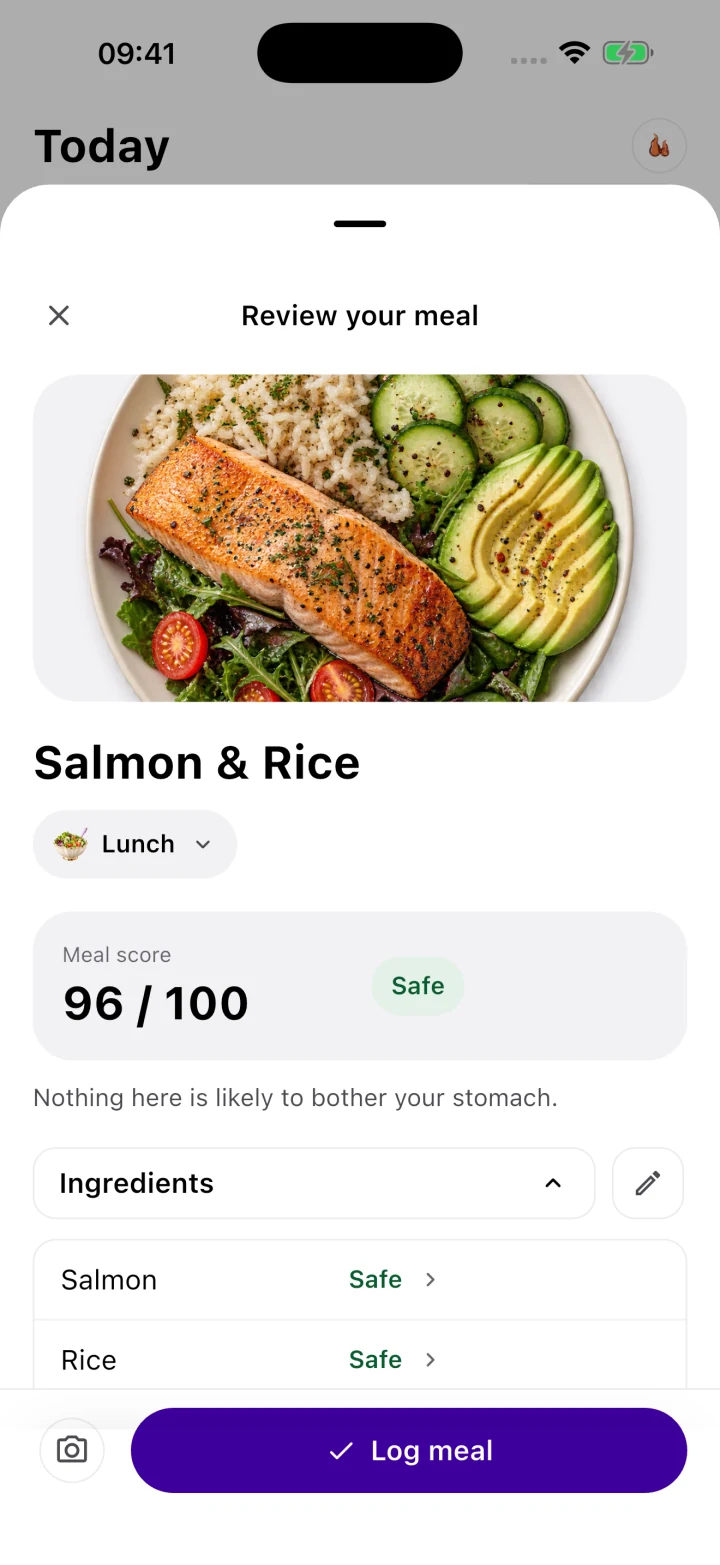
Quick Answer for Silent Reflux (LPR) Diet: A clinical silent reflux (LPR) diet eliminates exogenous acids below pH 5.0—such as citrus, tomatoes, vinegar, and carbonated drinks—to prevent reactivating pepsin bound to throat tissues. Simultaneously, it restricts high-fat, slow-emptying triggers (chocolate, fried foods, caffeine) that relax esophageal sphincters, prioritizing meals with a Gastric Safety Index above 70.
Not a treatment protocol
This guide has not been reviewed by a licensed clinician. Specific figures are illustrative, and no food score is a prescription. Talk to your gastroenterologist before changing your diet or medication. See our editorial standards.
Patients diagnosed with laryngopharyngeal reflux (LPR) frequently spend months navigating the wrong medical specialty. Because they rarely experience classic retrosternal burning—the hallmark of gastroesophageal reflux disease (GERD)—they do not suspect their stomach is the origin of their symptoms. Instead, they present to otolaryngologists (ENTs), pulmonologists, or allergists complaining of relentless throat clearing, a persistent sensation of a lump in the throat (globus pharyngeus), chronic dry cough, vocal hoarseness, bitter taste, and thick post-nasal drip.
When an ENT performs a flexible transnasal laryngoscopy, the visual findings often surprise the patient: posterior laryngeal erythema (redness), interarytenoid edema (swelling between the vocal cords), ventricular obliteration, and pseudosulcus vocalis. When the patient is subsequently referred to a gastroenterologist for an upper endoscopy (esophagogastroduodenoscopy, or EGD), the results are frequently completely normal. The esophageal lining shows no erosive esophagitis, no Barrett’s changes, and no gross mechanical hiatal hernia.
This diagnostic discrepancy occurs because the lower esophagus and the upper aerodigestive tract possess vastly different physiological defenses. The stratified squamous epithelium of the lower esophagus is reinforced by a robust mucus-bicarbonate barrier, continuous peristaltic clearance, and intracellular buffering systems fortified by epidermal growth factor in swallowed saliva. The lower esophagus can safely tolerate up to 50 brief episodes of liquid acid reflux (pH < 4.0) per day without developing cellular damage or clinical heartburn.
The larynx, pharynx, sinus cavities, and trachea possess none of these defenses. Their delicate ciliated respiratory epithelium lacks peristalsis, produces minimal intrinsic bicarbonate, and expresses almost no carbonic anhydrase isoenzyme III—the cellular enzyme responsible for neutralizing hydrogen ions. Consequently, it takes only one to three microscopic, gaseous reflux events reaching the upper throat to strip away the protective mucin layer, arrest ciliary clearance, and trigger severe mucosal inflammation. Because this upward mist moves rapidly through the esophagus without lingering long enough to stimulate lower esophageal pain nociceptors, the patient feels zero heartburn. Hence the clinical designation: silent reflux.
Standard proton pump inhibitor (PPI) therapy—such as omeprazole or pantoprazole taken once daily—fails to resolve symptoms in over 50% of LPR patients. PPIs suppress parietal cell hydrogen-potassium ATPase pumps, raising the pH of gastric fluid from roughly 1.5 to between 4.0 and 5.0. While this elevation stops acute acid burns in the lower esophagus, it does not stop the physical upward retrograde movement of stomach contents, nor does it neutralize pepsin, the primary proteolytic enzyme of the stomach.
To reduce throat irritation, dietary changes need to go beyond generic "heartburn advice." It requires a practical framework designed around two simultaneous objectives: eliminating exogenous dietary acids that reactivate throat-bound pepsin, and optimizing meal composition to prevent transient lower and upper esophageal sphincter relaxations.
The Biochemistry of Pepsin: Why Acid Suppression Alone Fails
To understand why a slice of lemon or a splash of vinaigrette can trigger three days of vocal hoarseness and globus sensation—even when your stomach is completely empty—you must understand the molecular lifecycle of pepsin.
Gastric chief cells secrete pepsinogen, an inactive proenzyme. When pepsinogen encounters hydrochloric acid (HCl) secreted by parietal cells at a pH below 4.0, an autocatalytic cleavage removes 44 amino acids from the molecule, converting it into active pepsin (predominantly isoform 3b in humans). Pepsin’s biological task is aggressive proteolysis: breaking down complex dietary proteins into smaller peptides for intestinal absorption. Inside the stomach, the mucosa is protected from being digested by its own pepsin through a thick, alkaline mucin-bicarbonate gel layer maintained by mucosal prostaglandins.
In silent reflux, microscopic droplets of gastric fluid aerosolize during transient lower esophageal sphincter relaxations (TLESRs) or micro-burps. This gaseous mist travels up the esophagus, breaches the upper esophageal sphincter (UES), and deposits active pepsin directly onto the vocal cords, arytenoid cartilages, posterior pharynx, and nasopharynx.
[Gastric Chief Cells]
       │ Secrete Pepsinogen + HCl (pH 1.5–2.5)
       ▼
[Active Pepsin Isoform 3b]
       │ Aerosolized via TLESRs & UES breach
       ▼
[Laryngeal & Pharyngeal Mucosa (pH ~6.8–7.0)]
       │ Pepsin goes DORMANT (Stable up to pH 7.4)
       │ Binds to cell surface & enters via receptor-mediated endocytosis
       ▼
[Dietary Acid Exposure (Citrus, Soda, Vinegar, Tomato < pH 5.0)]
       │ OR Intracellular Endosome Acidification (pH 4.5–5.0)
       ▼
[PEPSIN REACTIVATION] ──► Proteolytic tissue digestion, mucin depletion,
                          mitochondrial damage, chronic cough & globus
The Dormancy and Reactivation Cycle
Once pepsin lands on the laryngeal mucosa, the local tissue environment has a neutral pH of approximately 6.8 to 7.0. At this neutral pH, pepsin is catalytically inactive, meaning it temporarily stops digesting protein. However, inactive does not mean destroyed. Human pepsin remains structurally stable and fully viable at any pH up to 7.4. It adheres tightly to the epithelial cell surface of your throat and waits.
Worse, laryngopharyngeal biopsy studies demonstrate that throat epithelial cells actively absorb this surface-bound pepsin via receptor-mediated endocytosis. Once pulled inside the cell, the pepsin is transported to intracellular vesicles called endosomes and the Golgi apparatus. The internal environment of these late endosomes naturally maintains a slightly acidic pH of approximately 4.5 to 5.0. Inside this acidic cellular compartment, the dormant pepsin spontaneously reactivates, causing intracellular oxidative stress, mitochondrial swelling, and the upregulation of pro-inflammatory cytokines (IL-1β, IL-6, IL-8, and TNF-α) even in the absence of fresh reflux events.
Meanwhile, the pepsin remaining on the extracellular surface of your throat mucosa acts like a biochemical landmine. Every time you swallow food or beverage with a titratable acidity below pH 5.0—and rapidly below pH 4.0—those hydrogen ions wash over the pharynx and instantly reactivate the dormant surface pepsin.
For example, if you drink a glass of carbonated sparkling water (pH 3.8), an iced tea with lemon (pH 2.9), or eat a salad dressed with balsamic vinegar (pH 3.2), the liquid never has to reflux from your stomach to hurt you. It activates the pepsin already adhered to your throat on the way down. The reactivated enzyme immediately begins digesting the structural proteins of your vocal folds and pharyngeal lining, depleting protective mucin glycoproteins (specifically MUC2, MUC5AC, and MUC5B) and triggering a protective vagal nerve reflex that manifests as chronic throat clearing, coughing, and excessive mucus production.
The Pepsin Activity Curve Across the pH Spectrum
Understanding the exact pH thresholds of pepsin stability is the foundation of a low-acid approach:
- pH 1.5 to 2.5 (Maximum Proteolytic Velocity): Pepsin operates at 100% enzymatic efficiency. Any liquid or gaseous reflux at this pH causes immediate macroscopic and microscopic tissue destruction in the unprotected pharynx.
- pH 2.5 to 4.0 (High Proteolytic Activity): Pepsin retains 60% to 85% of its digestive capacity. Nearly all sodas, energy drinks, wines, citrus juices, vinegars, and most berries fall into this zone. Swallowing these foods causes acute reactivation of throat-bound pepsin.
- pH 4.0 to 5.0 (The Transition Zone): Enzymatic activity drops sharply from roughly 60% down to less than 10% as pH approaches 5.0. Foods in this bracket (such as plain yogurt, cooked tomatoes, apples, peaches, and bananas depending on ripeness) can still trigger mild reactivation in patients with severe mucosal erosion or high intracellular pepsin loads.
- pH 5.0 to 6.9 (Complete Inactivation / Dormancy): Above pH 5.0, pepsin loses all proteolytic capability. Foods in this range cannot activate pepsin on contact. This is the mandatory threshold for the acute healing phase of an LPR diet.
- pH 7.0 to 8.0 (Structural Instability Begins): Between pH 7.0 and 7.4, pepsin remains dormant and recoverable if re-acidified. Above pH 7.5, the tertiary protein structure of the enzyme begins to slowly unfold, though complete denaturation does not occur immediately.
- pH 8.8 and Above (Irreversible Denaturation): At pH 8.8, the disulfide bonds and three-dimensional conformation of human pepsin 3b permanently break apart. Once exposed to pH 8.8, the enzyme is destroyed and cannot be reactivated even if submerged in strong hydrochloric acid (pH 1.5).
The Two-Front War: Exogenous Acidity vs. Endogenous Reflux Mechanics
A successful LPR nutritional protocol must fight a two-front war. Focusing exclusively on the pH of food in your mouth (Front 1) while ignoring how that food behaves once it reaches your stomach (Front 2) is the primary reason self-directed low-acid diets stall.
Front 1: Exogenous Acidity (The Contact Threat)
This involves strictly controlling the pH and titratable acidity of everything that passes over the oropharynx and hypopharynx. Even healthy whole foods—such as blueberries (pH 3.3), blackberries (pH 3.8), pomegranates (pH 3.0), and fermented kefir (pH 4.2)—act as enzymatic catalysts when your throat lining is coated in dormant pepsin. Furthermore, manufactured foods rely heavily on acidulants for shelf stability. Citric acid, ascorbic acid, malic acid, and phosphoric acid are added to nearly all bottled beverages, canned goods, and condiments, driving their pH well below 3.5.
Front 2: Endogenous Reflux Mechanics (The Aerosol Threat)
Even if you eat a meal with a completely neutral pH of 6.5, that meal can still provoke severe silent reflux two hours later if its macronutrient profile delays gastric emptying or chemically relaxes your esophageal sphincters.
When a meal containing dense dietary lipids (fats), excessive insoluble fiber, or large meal volumes enters the stomach and duodenum, enteroendocrine I-cells release the hormone cholecystokinin (CCK). CCK performs two actions that directly worsen LPR:
- It slows down the gastric migrating motor complex and increases pyloric sphincter tone, keeping food and gastric acid churning in the stomach for 4 to 6 hours instead of the optimal 90 to 120 minutes.
- It signals via vagal afferent pathways to increase the frequency of transient lower esophageal sphincter relaxations (TLESRs) and decreases the basal resting pressure of both the lower esophageal sphincter (LES) and the upper esophageal sphincter (UES).
When gastric retention is prolonged, intragastric pressure builds. Every time a TLESR occurs, a micro-plume of gaseous acid and newly secreted pepsin escapes upward, replenishing the exact stores of laryngeal pepsin you have been trying to clear. In addition to high fat, specific chemical compounds—including methylxanthines in coffee and chocolate, menthol in peppermint, capsaicin in chili peppers, ethanol in alcohol, and allyl sulfides in raw garlic and onions—directly lower LES and UES resting tone upon contact or absorption.
The Low-Acid LPR Diet Framework: Two-Phase Clinical Protocol
Because vocal fold and pharyngeal epithelium takes significantly longer to regenerate than lower esophageal tissue—and because intracellular pepsin takes weeks to clear via natural cellular turnover—dietary therapy must be divided into two structured phases.
Phase 1: The Strict Pepsin Deactivation Phase (14 to 28 Days)
During the first two to four weeks, the objective is zero reactivation of throat-bound pepsin and rapid acceleration of gastric emptying.
- Strict pH Cutoff: Consume zero foods or beverages with a pH below 5.0.
- Macronutrient Targets: Restrict total fat per meal to 10–12 grams maximum to prevent CCK-mediated gastric stasis. Prioritize lean, easily hydrolyzed proteins (poultry, white fish, egg whites, tofu) and soluble-fiber complex carbohydrates (oats, white rice, root vegetables).
- Texture and Temperature: Avoid coarse, dry, mechanically abrasive foods (hard taco shells, toasted crusty sourdough, raw fibrous celery, roasted nuts) that physically shear inflamed arytenoid mucosa during swallowing. Avoid scalding hot liquids, which induce thermal vasodilation and amplify neurogenic inflammation in the pharynx.
Phase 2: The Mucosal Maintenance & Expansion Phase (Weeks 5+)
Once globus sensation, chronic throat clearing, and morning hoarseness have reduced by at least 75%, carefully introduce foods in the pH 4.3 to 4.9 transition zone.
- Controlled Reintroduction: Test one moderately acidic whole food every 72 hours (e.g., sweet Gala or Fuji apples, ripe pears, mild cooked bell peppers, or small quantities of extra-virgin olive oil up to 15 grams per meal).
- Matrix Buffering Rule: Never consume pH 4.3–4.9 foods in isolation on an empty throat. Blend or pair them with high-pH, high-protein, or colloidal buffers—such as folding ripe berries into warm oatmeal (pH 6.2) made with almond milk (pH 6.8), which neutralizes free hydrogen ions before swallowing.
The Gastric Safety Index (GSI) Scoring Table for LPR
At Gutrack, we developed the Gastric Safety Index (GSI), a 0-to-100 algorithmic evaluation model that grades meals and ingredients across both dimensions of reflux pathophysiology: exogenous contact acidity (pH and titratable acid load) and endogenous digestive mechanics (lipid load, gastric emptying velocity, osmolarity, and sphincter relaxation potential).
- Safe Zone (GSI 70–100): pH > 5.2, low lipid density (< 10g/meal), rapid gastric clearance (< 2 hours), zero LES/UES chemical relaxants, and high mucoadhesive or buffering capacity.
- Caution Zone (GSI 40–69): pH 4.3–5.1 OR moderate fat/fiber density (12–20g fat) that requires strict portion control and pairing buffers. Safe for Phase 2 maintenance, risky during acute Phase 1 flares.
- High Risk Zone (GSI 0–39): pH < 4.2 OR potent triggers of CCK release, TLESRs, and basal sphincter hypotonia. Immediate pepsin reactivation or prolonged nocturnal aerosol reflux.
| Food / Meal Item | Approx. pH | GSI Score (0–100) | Clinical Zone | Physiological & Biochemical Mechanism in LPR |
|---|---|---|---|---|
| Rolled Oatmeal Cooked in Water or Almond Milk | 6.2 – 6.8 | 94 | Safe | Rich in soluble beta-glucan fibers that form a soothing colloidal mucilage over irritated pharyngeal mucosa; zero pepsin activation; steady 90-minute gastric transit. |
| Steamed White Fish (Cod/Halibut) with White Rice & Zucchini | 6.0 – 6.6 | 92 | Safe | Low-fat (< 3g), easily hydrolyzed myofibrillar proteins require minimal HCl/pepsin secretion and trigger near-zero CCK release, preventing TLESRs. |
| Cantaloupe, Honeydew & Watermelon | 6.1 – 6.7 | 90 | Safe | Among the only fruits with a pH safely above 6.0; high cellular water content hydrates vocal folds without supplying free hydrogen ions to dormant pepsin. |
| Chamomile or Marshmallow Root Infusion | 6.5 – 7.0 | 89 | Safe | Zero caffeine/methylxanthines; marshmallow root polysaccharides provide direct bio-adhesive coating over exposed laryngeal nerve endings. |
| Skimmed Homemade Chicken Bone Broth (No Onion/Garlic) | 6.0 – 6.4 | 86 | Safe | Rich in glycine, proline, and glutamine to support epithelial tight-junction repair; skimming solidified fat prevents CCK-induced delayed gastric emptying. |
| Ripe Banana (Spotted) | 5.0 – 5.3 | 78 | Safe | Sits right at the pH 5.0 inactivation border; contains natural leukocyanidin flavonoids that stimulate mucosal prostaglandin synthesis (avoid unripe green bananas, pH ~4.6). |
| Avocado (1/4 medium portion) | 6.3 – 6.6 | 64 | Caution | Alkaline pH prevents throat pepsin activation on contact, but dense monounsaturated lipid content slows gastric emptying if consumed in portions exceeding 1/3 fruit. |
| Plain Greek Yogurt (Non-Fat) | 4.3 – 4.6 | 55 | Caution | Lactic acid lowers pH into the mild pepsin transition zone; low fat allows rapid gastric clearance, making it tolerable only in Phase 2 when buffered with oats. |
| Sweet Gala Apple or Ripe Pear (Peeled) | 4.2 – 4.7 | 52 | Caution | Contains malic acid that can mildly reactivate surface pepsin during acute flares; peeling removes insoluble pectin/cellulose to accelerate gastric transit. |
| Almond Butter (2 Tablespoons) | 6.1 – 6.4 | 48 | Caution | Safe contact pH, but 16g+ of concentrated fat plus high viscosity adheres to the pharynx (provoking throat clearing) and delays stomach emptying via CCK. |
| Brewed Coffee (Regular or Decaf) | 4.8 – 5.1 | 28 | High Risk | High in chlorogenic acids and roast catechols that stimulate robust parietal cell HCl/pepsin output; caffeine and coffee peptides directly lower resting LES tone. |
| Dark Chocolate (70%+ Cocoa) | 5.3 – 5.8 | 18 | High Risk | Despite safe contact pH, high concentration of theobromine, caffeine, and cocoa butter potently relaxes both the LES and UES, triggering immediate aerosol reflux. |
| Marinara / Cooked Tomato Sauce | 3.5 – 4.1 | 14 | High Risk | High concentration of citric and malic acids instantly reactivates laryngeal pepsin on swallowing while stimulating gastric acid rebound; garlic/onion oils relax the LES. |
| Dry White or Red Wine | 3.1 – 3.7 | 10 | High Risk | Dual mechanism assault: high titratable tartaric/malic acidity reactivates throat pepsin, while ethanol paralyzes LES resting tone and disrupts mucosal barrier integrity. |
| Carbonated Beverages (Soda, Seltzer, Sparkling Water) | 2.5 – 3.9 | 05 | High Risk | Carbonic, citric, and phosphoric acids drop pH well below 4.0; dissolved CO2 gas expands in the warm stomach, causing gastric distension and upward aerosol burping. |
| Citrus Juices (Lemon, Lime, Grapefruit, Orange) & Vinegar | 2.0 – 3.3 | 02 | High Risk | Extreme hydrogen ion concentration drives pepsin proteolytic activity to near-maximum velocity (80–100%) directly on the vocal folds and posterior pharynx. |
Deep-Dive Clinical Breakdown: Safe Foods vs. Hidden LPR Triggers
1. The Hidden Danger of "Healthy" Sparkling Water and Citric Acid
One of the most common clinical errors among LPR patients is replacing sugary soda with unflavored sparkling mineral water or fruit-infused seltzer. Even when zero citric acid is added, the process of injecting carbon dioxide ($CO_2$) into water under pressure creates carbonic acid ($H_2CO_3$), dropping the pH of plain sparkling water to between 3.7 and 4.1.
When you drink sparkling water, two destructive events occur simultaneously:
- The liquid washes over the hypopharynx at pH < 4.0, reactivating dormant surface pepsin.
- Once the cold liquid hits the 37°C (98.6°F) environment of the stomach, the dissolved $CO_2$ rapidly comes out of solution and expands into gas. This intragastric gas distends the gastric fundus, stretching mechanoreceptors that trigger an immediate transient lower esophageal sphincter relaxation (TLESR). As that gas vents upward—often as an imperceptible micro-burp—it acts as a carrier wave, aerosolizing microscopic droplets of gastric acid and fresh pepsin directly into the larynx.
Furthermore, patients must audit every ingredient label in their pantry for citric acid, ascorbic acid (Vitamin C), malic acid, and sodium benzoate. Food safety regulations require commercially bottled beverages, canned vegetables, hummus, salsas, and even many brands of boxed almond or oat milk to be acidified below pH 4.6 to prevent Clostridium botulinum spore growth. A single teaspoon of store-bought hummus preserved with citric acid and garlic powder has a pH near 4.0 and can initiate hours of pharyngeal mucus production.
2. Why Alliums, Mint, and Chocolate Sabotage the Upper Sphincter
Patients frequently ask why raw garlic, onions, peppermint tea, and dark chocolate cause severe throat clearing when their pH is relatively neutral (pH 5.3 to 6.2). The answer lies in neuro-muscular pharmacology rather than contact acidity.
The lower esophageal sphincter (LES) is a ring of smooth muscle maintained in a state of constant tonic contraction by cholinergic vagal nerve signaling and intrinsic myogenic tone.
- Chocolate contains high levels of theobromine and caffeine (methylxanthines). These compounds inhibit phosphodiesterase, leading to an intracellular accumulation of cyclic adenosine monophosphate (cAMP) inside the smooth muscle fibers of the LES and UES. Elevated cAMP causes smooth muscle relaxation, dropping sphincter barrier pressure by up to 40% within 15 minutes of ingestion.
- Peppermint and Spearmint contain menthol, which blocks calcium channels in smooth muscle cells. While this antispasmodic effect is helpful lower down in the colon for irritable bowel syndrome (IBS), in the esophagus it acts as a chemical paralytic to the LES, allowing gastric mist to vent freely upward.
- Raw Garlic and Onions contain volatile organosulfur compounds (allicin and allyl propyl disulfide) alongside fructans (fermentable oligosaccharides). The sulfur compounds directly reduce LES pressure, while rapid bacterial fermentation of fructans in the small intestine generates hydrogen and methane gas, increasing intra-abdominal pressure that pushes against the stomach from below. Cooking garlic or onions does not eliminate their sphincter-relaxing oils; they must be omitted entirely during Phase 1 and replaced with fresh herbs like basil, oregano, thyme, parsley, or green scallion tops (in moderation).
3. Mucoprotective Foods: How Beta-Glucans and Mucilage Shield the Throat
During Phase 1, your diet should actively supply structural polysaccharides that mimic the depleted mucin layer of the pharynx.
- Oats and Barley (Beta-Glucans): Rolled or steel-cut oats cooked thoroughly in water or additive-free plant milk release high molecular weight beta-glucans. As you chew and swallow warm oatmeal, this viscous hydrocolloid forms a protective physical film over the posterior pharynx and piriform sinuses. Inside the stomach, soluble beta-glucans sequester bile acids and mild gastric secretions without triggering the prolonged CCK stasis associated with insoluble wheat bran.
- Deglycyrrhizinated Licorice (DGL), Slippery Elm, and Marshmallow Root: When steeped in warm (not boiling) water, the mucilage polysaccharides in marshmallow root (Althaea officinalis) and slippery elm (Ulmus rubra) swell into a slick gel. Sipping this infusion coats exposed sensory nerve fibers (specifically TRPV1 vanilloid receptors) in the throat, immediately dampening the vagal cough and throat-clearing reflex while shielding underlying epithelial cells from trace enzymatic irritation.
- Green Plantains and Unripe Banana Flour: Rich in resistant starch and leukocyanidin, a bioflavonoid proven in gastric histology studies to increase the thickness of the mucus-bicarbonate barrier and stimulate endogenous prostaglandin $E_2$ ($PGE_2$) synthesis. Note: While whole ripe bananas (pH 5.0–5.3) are safe for about 85% of LPR patients, roughly 15% experience mild throat tingling due to trace chitinase enzymes; these individuals tolerate cooked plantains significantly better.
The Pepsin Inactivation Protocol: Step-by-Step Clinical Execution
Eliminating acidic foods stops pepsin reactivation, but it leaves dormant pepsin sitting on your vocal cords and inside your mucosal cells waiting for a single dietary slip-up. To accelerate recovery, combine your GSI > 70 diet with targeted biochemical inactivation strategies.
┌─────────────────────────────────────────────────────────────────────────┐
│                DAILY PEPSIN INACTIVATION TIMELINE                       │
├──────────────────┬──────────────────────────────────────────────────────┤
│ Upon Waking      │ Sip 120ml Alkaline Water (pH 8.8+) + Throat Gargle   │
│                  │ → Denatures nocturnal pepsin accumulated overnight   │
├──────────────────┼──────────────────────────────────────────────────────┤
│ Meals (GSI ≥ 70) │ Strict pH > 5.0, Fat < 10g, Chew to liquid consistency│
│                  │ → Zero contact activation; rapid 90-min emptying     │
├──────────────────┼──────────────────────────────────────────────────────┤
│ Post-Meal (+15m) │ Optional Sodium Alginate Raft + pH 8.8+ Sip          │
│                  │ → Caps the gastric acid pocket; washes hypopharynx   │
├──────────────────┼──────────────────────────────────────────────────────┤
│ 3 Hours Pre-Bed  │ Complete Caloric Cutoff (Water only after this point)│
│                  │ → Ensures empty stomach before supine posture        │
├──────────────────┼──────────────────────────────────────────────────────┤
│ Bedtime          │ 5ml Sodium Alginate + 6–8 inch Head-of-Bed Elevation │
│                  │ → Physical barrier + gravity prevents nocturnal mist │
└──────────────────┴──────────────────────────────────────────────────────┘
1. The pH 8.8+ Alkaline Water Wash & Gargle
Landmark biochemical research by Koufman and Johnston demonstrated that human pepsin 3b is permanently and irreversibly inactivated at pH 8.8. Standard municipal tap water (pH 6.7–7.4) and bottled spring waters (pH 7.0–7.8) are not alkaline enough to break pepsin’s disulfide bonds.
- How to Apply It: Keep a bottle of naturally occurring or ionized alkaline water verified at pH 8.8 to 9.5 with you throughout the day. Take 2 to 3 slow sips and perform a gentle head-back throat gargle upon waking in the morning (to denature pepsin that aerosolized overnight), 15 minutes after every meal, and immediately before bed.
- Clinical Reassurance on Stomach Acid: Patients often worry that drinking pH 8.8 water will neutralize their stomach acid and cause maldigestion or SIBO. Chemically, this is impossible when consumed in normal sipping quantities. The pH scale is logarithmic, and alkaline water has near-zero buffering capacity (low alkalinity/titratable base) compared to the massive molar output of hydrochloric acid (pH 1.5) in the stomach. A 4-ounce sip of pH 8.8 water denatures pepsin on contact in the neutral pharynx on the way down, and is neutralized within seconds once it hits the gastric lumen.
2. Targeted Sodium Alginate Raft Therapy
Unlike PPIs, which attempt to chemically shut down acid production, sodium alginate (derived from brown seaweed, Laminaria hyperborea) creates a physical, mechanical barrier at the top of the stomach.
After you eat a meal, a layer of unbuffered hydrochloric acid and pepsin pools on top of the food bolus right below the lower esophageal sphincter—a phenomenon gastroenterologists call the postprandial acid pocket. When you take a liquid or chewable sodium alginate suspension containing sodium bicarbonate and calcium carbonate after a meal, the alginate reacts with the acid pocket to form a neutral, buoyant, viscous gel "raft" that floats directly on top of the stomach contents for up to 4 hours.
If a transient sphincter relaxation occurs, this physical alginate plug prevents gastric liquid and aerosolized pepsin from escaping into the esophagus. For LPR patients, taking 5 to 10 mL of a pure sodium alginate suspension after dinner and immediately before sleep (without drinking water afterward, so the barrier stays intact) is the single most effective defense against nocturnal silent reflux.
3. Topical Alkaline Nasal and Throat Nebulization
Because aerosolized pepsin frequently travels all the way into the nasopharynx, Eustachian tubes, and subglottic airway—where liquid gargles cannot reach—many patients suffer from refractory sinus congestion, ear fullness, and deep tracheal cough. Using a handheld ultrasonic mesh nebulizer filled with 3 to 5 mL of sterile saline mixed with a tiny pinch of sodium bicarbonate (or sterile pH 8.8 water) for 5 minutes in the evening allows microscopic alkaline droplets to penetrate directly onto the true vocal folds and sinus mucosa, denaturing airway-bound pepsin and restoring mucociliary clearance.
Lifestyle & Biomechanical Protocols: Stopping the Aerosol Plume
Even a flawless GSI 90 meal can reflux if biomechanical forces compress your abdomen or compromise your anatomical anti-reflux barriers.
1. The Mandatory 3-to-4 Hour Pre-Sleep Fasting Window
Gravity is your primary mechanical ally against gaseous and liquid reflux. When you stand or sit upright, the lower esophageal sphincter sits above the gastric pool, and normal esophageal peristalsis assisted by gravity clears any upward mist within seconds.
When you lie flat (supine), the stomach and throat are on the same horizontal plane, gravitational clearance drops to zero, and swallowing frequency plummets during sleep—meaning protective bicarbonate-rich saliva is no longer washing down the throat. If there is still food, chyme, or stimulated gastric juice inside your stomach when you lie down, nocturnal TLESRs will bathe your vocal cords in acid and pepsin for hours.
- The Rule: Finish your final calorie-containing meal or snack at least 3.5 to 4 hours before lying down. Dinner should be your lightest, lowest-fat meal of the day (e.g., steamed fish or poultry with white rice and cooked green vegetables, GSI > 85) so gastric emptying is 100% complete before bedtime.
2. Inclined Bed Elevation vs. Stacking Pillows
Do not stack two or three pillows under your head. Stacking pillows bends your body at the waist and neck, which increases intra-abdominal pressure by folding your torso over your stomach, literally squeezing gastric contents upward while kinking
Self-tracking tool, not clinical diagnosis
Gutrack provides evidence-based Gastric Safety Index estimates for daily self-management and diet optimization. It does not replace medical consultation, endoscopy, or treatment prescribed by a qualified gastroenterologist.
Frequently asked questions
What is the difference between silent reflux (LPR) and GERD?
Gastroesophageal reflux disease (GERD) involves liquid acid pooling in the lower esophagus, where tissues can withstand up to 50 reflux episodes daily before experiencing classic heartburn. Silent reflux (LPR) occurs when aerosolized gastric mist breaches the upper esophageal sphincter to reach the larynx and pharynx, where completely unbuffered tissue sustains biochemical injury from just 1 to 3 exposure events.
How do you inactivate pepsin in the throat and vocal cords?
Dormant pepsin remains stable in laryngeal tissues up to pH 7.4 and reactivates whenever you consume food or liquid with a pH below 5.0. To permanently denature and wash away receptor-bound pepsin, sip alkaline water with a pH of 8.8 or higher, which irreversibly breaks the enzyme's three-dimensional molecular structure.
What foods trigger silent reflux the most?
The highest-risk LPR triggers fall into two categories: direct acid activators with a pH below 4.0 (citrus fruits, vinegar, wine, tomato sauce, and all carbonated beverages) and lower esophageal sphincter relaxants (high-fat meats, fried foods, chocolate, peppermint, and coffee). In the Gutrack Gastric Safety Index, these foods consistently score between 0 and 39 due to dual mechanical and enzymatic irritation.
Can alkaline water (pH 8.8+) help silent reflux?
Yes, in vitro and clinical studies confirm that human pepsin 3b is permanently inactivated at pH 8.8, whereas standard tap water (pH 6.7 to 7.4) leaves the enzyme dormant but viable. Sipping pH 8.8+ water after meals and before bed neutralizes trace hypopharyngeal acid and denatures surface-bound pepsin without interfering with deep gastric digestion.
Sources & background reading
Background sources for definitions, diagnosis and treatment. Food scores are estimates, not clinical targets. See our editorial standards.
Clinical Evidence & Scientific References
- Koufman JA, Johnston N. Potential benefits of pH 8.8 alkaline drinking water as an adjunct in the treatment of reflux disease. Ann Otol Rhinol Laryngol. 2012;121(7):439-446.
- Johnston N, Knight J, Dettmar PW, et al. Cell biology of laryngeal epithelial defenses in health and disease. Laryngoscope. 2003;113(7):1097-1101.
- American Academy of Otolaryngology–Head and Neck Surgery (AAO-HNS). Clinical Practice Guideline: Hoarseness (Dysphonia). Otolaryngol Head Neck Surg. 2018.
This article is for educational purposes only and isn't a substitute for professional medical advice, diagnosis, or treatment. Gutrack is a self-tracking tool, not a medical device. If you're experiencing persistent or concerning symptoms, talk to a doctor.