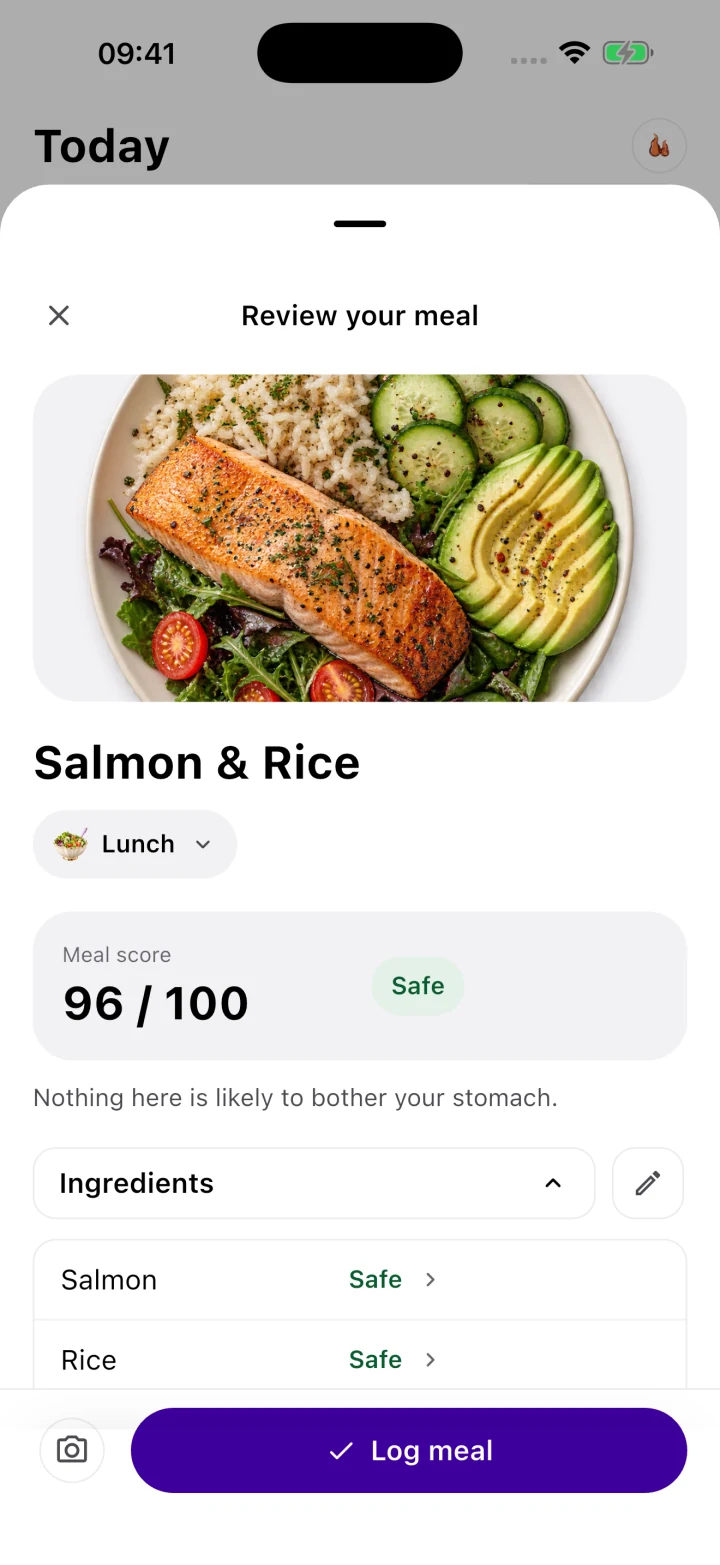
Quick Answer for Acute Gastritis Flare-Up: During a 48-hour acute gastritis flare-up, start with 12 hours of warm, non-acidic liquids like fat-skimmed bone broth and chamomile tea to rest the mucosa. In hours 12 to 24, introduce colloidal starches like white jasmine rice congee and pureed butternut squash. Between hours 24 and 48, add lean poached cod or shredded chicken breast.
Introduction: Your Stomach Is on Fire Today—An Emergency Roadmap
When you are in the middle of an acute gastritis flare-up, the clinical reality inside your upper gastrointestinal tract is straightforward: the protective mucus-bicarbonate barrier of your stomach has been breached. Whether triggered by nonsteroidal anti-inflammatory drugs (NSAIDs), bile reflux, an H. pylori exacerbation, alcohol, or a single high-fat, highly acidic meal, gastric acid (hydrochloric acid) and the proteolytic enzyme pepsin are now in direct contact with the sensitive lamina propria and superficial epithelial cells of your stomach lining.
This direct chemical contact triggers local nociceptors (pain receptors), stimulates mast cell degranulation, and causes localized edema, erythema, and muscular spasm. To you, it feels like a blowtorch under your sternum, gnawing epigastric pain, early satiety, and waves of nausea.
During this acute window, standard dietary advice—such as "eat a balanced, bland diet" or "try whole grains and lean meats"—frequently backfires. What qualifies as "bland" to a healthy stomach can be mechanically abrasive or biochemically irritating to an inflamed gastric antrum. Eating a bowl of coarse oatmeal with almond butter or a piece of dry whole-wheat toast during hour four of a flare forces your stomach to perform vigorous antral trituration (mechanical grinding) while secreting extra acid and cholecystokinin (CCK) to digest fats and insoluble fibers. The result is prolonged gastric retention and an immediate escalation of pain.
At Gutrack, we evaluate every ingredient, cooking method, and meal volume through our proprietary Gastric Safety Index (GSI)—an objective 0 to 100 clinical scoring algorithm.
- Safe Zone (GSI 70–100): Low titratable acidity, negligible lipid content, minimal mechanical friction, rapid gastric emptying, and active mucosal-coating properties.
- Caution Zone (GSI 40–69): Moderate digestive workload; safe for maintenance phases, but capable of extending an active flare.
- High Risk Zone (GSI 0–39): High acidity, delayed lipid transit, high osmolarity, or abrasive physical textures that directly strip mucosal prostaglandins.
During an acute 48-hour flare, even a GSI score of 75 is often too demanding for the first day. You need an ultra-restricted, step-by-step nutritional triage protocol that keeps every intake above GSI 92 for the first 24 hours, before systematically stepping down to GSI 85+ between hours 24 and 48.
This guide provides the exact biochemical rationale and hour-by-hour food progression required to extinguish acute gastric inflammation, prevent acid rebound, and transition your stomach safely back to solid nutrition.
The Pathophysiology of the First 48 Hours: Why Timing and Texture Dictate Healing
Before taking your first sip of liquid or bite of food, it helps to understand what your gastric mucosa is attempting to accomplish over the next two days.
Healthy gastric epithelial cells have one of the fastest turnover rates in the human body, replacing themselves through a process called epithelial restitution and cellular proliferation every 72 to 96 hours. However, rapid restitution only occurs if two physiological conditions are met:
- Intragastric pH Maintenance Above 4.0: Pepsinogen, secreted by gastric chief cells, is converted into active pepsin at a pH below 4.0, with peak proteolytic (tissue-digesting) activity occurring between pH 1.5 and 2.5. When pepsin is active on an unshielded mucosa, it digests the very structural proteins and clotting factors your stomach is trying to use to repair microscopic erosions. Raising the intragastric environment above pH 4.0 deactivates pepsin, halting enzymatic autodigestion.
- Minimization of Antral Grinding and Gastric Distension: Solid food particles larger than 2 millimeters cannot pass through the pyloric sphincter into the duodenum. The distal stomach (antrum) must contract rhythmically to grind solids into a smooth chyme. When the antral mucosa is edematous and inflamed, these muscular contractions cause severe visceral pain. Furthermore, large meal volumes stretch the gastric fundus, triggering stretch receptors that stimulate gastrin release from G-cells—leading to a fresh wave of acid secretion—while simultaneously provoking transient lower esophageal sphincter relaxations (TLESRs) that push acid into the esophagus.
Therefore, the 48-hour recovery protocol is engineered around three distinct physiological phases:
- Hours 0 to 12 (Acute Calming & Pepsin Deactivation): Zero mechanical grinding, thermal regulation, and amino acid/mucilage delivery.
- Hours 12 to 24 (Colloidal Starch Buffering): Introduction of pre-gelatinized, zero-fiber starches that absorb excess free acid without delaying pyloric transit.
- Hours 24 to 48 (Gentle Protein Synthesis): Introduction of low-fat, short-fiber proteins to supply the amino acids required for tight-junction and mucosal restitution.
Hours 0 to 12: The Acute Calming Phase (GSI 95–100)
During the first 12 hours of a severe flare-up, your primary objective is gastric rest. Do not force solid food into an actively spasming, inflamed stomach. If you are experiencing acute nausea, epigastric burning, or cramping, solid food will sit stagnant in the stomach due to inflammation-induced gastroparesis (delayed gastric emptying).
However, complete dehydration or prolonged dry fasting can also be counterproductive. An completely empty stomach continues to produce basal gastric acid, leaving concentrated hydrochloric acid pooling directly against the eroded lining. Instead, use small, frequent, temperature-controlled liquid interventions to dilute basal acid and coat the epithelium.
1. The Thermal and Volumetric Rules
- Temperature: Every liquid must be consumed at warm room temperature to body temperature (85°F to 100°F / 29°C to 38°C). Ice-cold liquids induce submucosal vasoconstriction (reducing the blood flow needed for healing) and trigger vagal reflexes that cause painful pyloric spasms. Piping hot liquids (>130°F / 54°C) cause direct thermal injury to already denuded epithelial cells, increasing mucosal permeability.
- Volume and Pacing: Never gulp liquids. Consume 30 mL to 60 mL (2 to 4 tablespoons) every 20 to 30 minutes. Keeping total intragastric volume below 150 mL at any given moment prevents fundic distension and avoids triggering the gastrocolic or gastrin-acid reflexes.
2. Approved Therapeutic Liquids (Hours 0–12)
Alkaline Water (pH 8.5–9.5) — GSI 99
While alkaline water does not change the pH of your blood, clinical in vitro and in vivo studies demonstrate that water with a pH of 8.8 instantly and permanently denatures human pepsin upon contact in the esophagus and stomach. It also provides modest, immediate buffering of free hydrogen ions in the gastric lumen without causing the carbon dioxide gas expansion seen with sodium bicarbonate (baking soda) solutions.
Fat-Skimmed, Unseasoned Chicken Bone Broth (Gelatin-Rich) — GSI 96
Bone broth is a cornerstone of early mucosal recovery, provided it is prepared under strict clinical parameters. Commercial broths often fail during a flare because they contain onion powder, garlic extract, black pepper, yeast extract, and emulsified fats—all of which lower the GSI score into the 40s.
- The Biochemical Mechanism: Pure bone broth is rich in hydrolyzed collagen (gelatin), glycine, L-glutamine, and proline. Glycine acts as an inhibitory neurotransmitter that reduces pro-inflammatory cytokine signaling in the gut mucosa and mildly inhibits gastric acid secretion. L-glutamine is the primary metabolic fuel source for enterocytes and gastric mucosal cells, supporting the synthesis of the mucin layer. Furthermore, dissolved gelatin acts as a hydrophilic colloid, helping bind water and coat the superficial mucosa.
- Preparation Rule: Chill the broth completely so the lipid layer solidifies on top. Scrape off 100% of the fat cap. Do not add garlic, onions, celery seed, or acidic vinegars during cooking. Lightly salt with pure sodium chloride (1/4 teaspoon per cup) to maintain isotonicity, which promotes rapid absorption across the gut wall.
Weak German Chamomile Infusion (Matricaria recutita) — GSI 97
- The Biochemical Mechanism: Chamomile contains the terpenoids alpha-bisabolol and chamazulene, alongside the flavonoid apigenin. Alpha-bisabolol exhibits documented antispasmodic effects on visceral smooth muscle (calming stomach cramps) and inhibits leukotriene synthesis, reducing local mucosal inflammation. It also demonstrates mild gastroprotective activity by supporting endogenous mucosal prostaglandin ($PGE_2$) levels.
- Preparation Rule: Steep one chamomile tea bag in 8 ounces (240 mL) of hot water for only 2 to 3 minutes (do not over-steep, as bitter sesquiterpene lactones can mildly stimulate gastric secretions in sensitive individuals). Let it cool to 98°F before sipping. Note: Avoid if you have a known severe allergy to the Asteraceae/ragweed family.
Slippery Elm Bark (Ulmus rubra) or Marshmallow Root Slurry — GSI 98
- The Biochemical Mechanism: When mixed with warm water, the polysaccharide mucilage in slippery elm bark forms a viscous, slick hydrocolloid gel. This gel adheres physically to the inflamed gastric mucosa, creating a temporary synthetic mucus barrier that shields exposed nerve endings from acid and pepsin while stimulating local mucus secretion.
- Preparation Rule: Whisk 1 teaspoon of pure inner-bark slippery elm powder into 6 ounces of warm water until slightly thickened. Sip slowly 30 minutes before attempting any caloric intake. (Space at least 2 hours apart from oral medications, as the mucilage can slow drug absorption).
Hours 12 to 24: The Colloidal Starch Phase (GSI 92–97)
By hour 12, if acute vomiting is absent and burning has stabilized from severe to moderate, your body requires glucose to prevent ketosis and fasting-induced stress hormone (cortisol) spikes, which can impair mucosal blood flow.
However, your stomach is still not ready for intact plant cell walls (insoluble fiber), intact muscle fibers (meat), or lipids. You must introduce colloidal, fully gelatinized starches. When low-fiber starches are boiled with excess water for an extended period, the crystalline regions of the starch granules swell and burst, leaching amylose and amylopectin into the surrounding liquid. This creates a soft, pre-digested hydrogel that requires zero antral grinding, buffers remaining stomach acid, and exits the pylorus rapidly.
1. Approved Colloidal Foods (Hours 12–24)
White Jasmine Rice Congee (1:8 Rice-to-Water Ratio) — GSI 97
Do not use brown rice, wild rice, or parboiled rice. Brown rice retains the fibrous bran layer and lipid-rich germ, which require heavy mechanical trituration and can physically abrade inflamed gastric rugae.
- The Biochemical Mechanism: White jasmine rice is low in insoluble fiber and rich in easily digestible amylopectin. When simmered at a 1:8 ratio (e.g., 1/2 cup white rice to 4 cups water or fat-free bone broth) for 60 to 90 minutes, the grains disintegrate into a smooth, creamy porridge. This starch suspension absorbs free gastric acid in the lumen while delivering gentle glycemic support without triggering cholecystokinin (CCK) release.
- Serving Protocol: Consume 1/2 cup (120 mL) warm, seasoned only with a pinch of sea salt. Eat over 15 minutes.
Steamed & Pureed Butternut Squash or Kabocha Squash — GSI 95
- The Biochemical Mechanism: Winter squashes are exceptionally rich in soluble pectin and carotenoid precursors (beta-carotene), which support epithelial tissue repair. When steamed until fork-mashable and blended with warm water into a smooth puree, the insoluble cellulose fibers are mechanically broken down. The soluble pectin forms a soothing demulcent matrix in the stomach that buffers acid without fermenting rapidly in the upper tract.
- Serving Protocol: 1/2 cup warm puree, zero butter, zero olive oil, zero black pepper or nutmeg.
Steamed Ripe Banana (Cavendish, Lightly Spotted) — GSI 94
Raw bananas are a staple for many gastritis patients, but during the first 24 hours of a severe flare, raw starch can occasionally cause mild fullness. Steaming the banana for 5 minutes transforms its physical and chemical structure.
- The Biochemical Mechanism: Bananas contain a natural dietary phospholipid and flavonoid compound (leucocyanidin) that has been shown in clinical models to increase the thickness of the gastric mucus layer and stimulate mucosal cell growth. By choosing a ripe (yellow with slight brown specks) banana and lightly steaming it, resistant starch (which can cause gas and distension) is converted into simple, easily absorbed sugars and soft soluble pectin. Its high potassium content also helps replenish electrolytes lost during the acute phase.
Strained Rolled Oat Beta-Glucan Broth (Oat Milk Gruel) — GSI 93
While a thick bowl of standard rolled oats is a Safe Zone food (GSI 88) during normal recovery, intact oat flakes can still feel heavy at hour 16 of an acute flare.
- The Biochemical Mechanism: Oats are the premier dietary source of beta-glucan, a water-soluble polysaccharide that forms a protective, viscous colloidal layer over the stomach lining. By boiling 1/3 cup of rolled oats in 2 cups of water for 15 minutes and straining out the coarse solids through a fine mesh sieve (or blending completely until liquefied), you extract the pure beta-glucan mucilage while eliminating mechanical fiber workload.
Hours 24 to 48: Gentle Protein & Micronutrient Reintroduction (GSI 85–92)
Entering day two, your gastric mucosa needs structural building blocks—specifically essential amino acids and zinc—to synthesize new structural proteins, repair intercellular tight junctions, and rebuild the enzymatic machinery of the epithelial barrier.
However, protein introduction is where most patients trigger a secondary rebound flare. Why? Because dietary proteins are potent physiological stimulants of gastrin, the hormone that tells parietal cells to pump out hydrochloric acid. At the same time, animal proteins often carry hidden intramuscular fats. When lipids enter the duodenum, they trigger I-cells to release cholecystokinin (CCK). CCK contracts the gallbladder and slows down gastric emptying (inhibiting the antral pump and constricting the pylorus) so the small intestine has time to emulsify fats.
If you eat salmon, beef, whole eggs, or dark-meat poultry at hour 28, the combination of protein-induced acid secretion and fat-induced pyloric delay traps newly secreted acid inside your stomach for 3 to 4 hours.
To bypass this trap during hours 24 to 48, you must consume ultra-lean, short-fiber, poached or shredded proteins paired with previously tolerated colloidal starches.
1. Approved Proteins and Vegetables (Hours 24–48)
Poached White Flaky Fish (Cod, Haddock, or Pollock) — GSI 91
- The Biochemical Mechanism: White fish such as Atlantic cod or haddock contains less than 0.8 grams of fat per 100 grams of tissue—almost entirely devoid of the lipid load that triggers CCK-mediated gastric stasis. Furthermore, fish muscle fibers (myotomes) are significantly shorter and contain far less tough connective tissue (collagen cross-linking and elastin) than mammalian meat (beef/pork) or even poultry. When poached gently in water or broth at 165°F (74°C), cod flakes apart at the touch of a tongue, requiring minimal pepsin and hydrochloric acid for proteolysis.
- Serving Protocol: 2 to 3 ounces (60–85g) of poached cod flaked finely into 1/2 cup of warm white rice congee.
Shredded Skinless Chicken Breast (Poached & Pulsed) — GSI 88
- The Biochemical Mechanism: Skinless chicken breast provides a complete amino acid profile (high in L-glutamine and tryptophan) with roughly 1.5 to 2 grams of fat per 3-ounce serving. However, baked or grilled chicken breast develops a dry, desiccated exterior encrusted with Maillard reaction byproducts (advanced glycation end-products), which are mechanically tough and chemically irritating to an inflamed antrum.
- Preparation Rule: Never bake, fry, or grill chicken during a flare. Poach skinless breast tenders in water or bone broth until just cooked through, then shred finely with two forks or pulse briefly in a food processor with a splash of broth so the fibers are pre-sheared before swallowing.
Steamed Zucchini Flesh (Peeled and Deseeded) — GSI 92
- The Biochemical Mechanism: As you reintroduce non-starchy vegetables to support gut motility, insoluble skins and seeds are the primary culprits behind mechanical irritation. By peeling a zucchini entirely, slicing it lengthwise to scrape out the central seed core, and steaming the remaining pale flesh until translucent, you create a high-water, low-oxalate, soluble-fiber vegetable matrix that adds potassium and magnesium with zero mucosal friction.
Egg White Drop in Congee or Broth — GSI 90
- The Biochemical Mechanism: Whole eggs sit in the Caution Zone during an acute flare because the yolk contains ~5 grams of concentrated lipid, which delays gastric emptying and lowers LES pressure. Pure egg whites (albumin), however, are 100% fat-free, easily denatured protein. Slowly drizzling one pasteurized egg white into simmering congee or bone broth while stirring creates delicate, paper-thin ribbons of coagulated albumin that digest rapidly without triggering CCK release.
Clinical Comparison & 48-Hour Meal Progression Table
Why do so many gastritis patients feel like "everything is a trigger"? Because when they attempt to log their food in a generic calorie app or paper diary, they write down "Soup and crackers" or "Chicken and rice" without realizing how preparation methods, fat ratios, and hidden acidulants swing a meal from a soothing GSI 97 to an erosive GSI 32.
Below is the complete clinical breakdown of the 48-Hour Emergency Protocol alongside common "false-safe" mistakes, evaluated through the Gutrack Gastric Safety Index (GSI).
| Recovery Window / Category | Specific Meal or Food Item | GSI Score (0–100) | Safety Zone | Biochemical & Physiological Mechanism |
|---|---|---|---|---|
| Hours 0–12 (Acute Calming) |
Warm Alkaline Water (pH 8.8) + Slippery Elm Slurry (100 mL sips) | 99 / 100 | Safe | Instantly denatures active pepsin above pH 4.0; polysaccharide mucilage forms an adherent protective hydrocolloid layer over exposed lamina propria nerve endings. |
| Hours 0–12 (Acute Calming) |
Fat-Skimmed Homemade Chicken Bone Broth (Warm, 120 mL) | 96 / 100 | Safe | Zero lipid load prevents CCK transit delay; delivers free glycine and L-glutamine to fuel rapid epithelial restitution without requiring antral grinding. |
| Hours 12–24 (Colloidal Starch) |
1:8 Ratio White Jasmine Rice Congee (Simmered 75 mins) | 97 / 100 | Safe | Pre-gelatinized amylopectin starch absorbs free luminal H+ ions (acid buffering) and passes through the pyloric sphincter rapidly with zero mechanical friction. |
| Hours 12–24 (Colloidal Starch) |
Steamed & Pureed Butternut Squash (No oil/butter) | 95 / 100 | Safe | High soluble pectin content provides demulcent mucosal coating; rich in beta-carotene for cellular turnover; cell walls are mechanically lysed via pureeing. |
| Hours 12–24 (Colloidal Starch) |
Lightly Steamed Ripe Cavendish Banana (Mashed) | 94 / 100 | Safe | Provides mucosal-strengthening leucocyanidin flavonoids; steaming converts resistant starch into easily absorbed sugars, preventing upper-GI fermentation and gas distension. |
| Hours 24–48 (Gentle Protein) |
Poached Atlantic Cod Flaked into White Rice Congee (150g total) | 91 / 100 | Safe | Ultra-low lipid (<0.8g fat) and short myotome muscle fibers allow rapid proteolysis with minimal gastrin stimulation or acid rebound. |
| Hours 24–48 (Gentle Protein) |
Peeled, Deseeded Steamed Zucchini + Shredded Poached Chicken Breast | 88 / 100 | Safe | Removal of insoluble zucchini cuticle/seeds eliminates mechanical abrasion; poached/shredded breast avoids irritating Maillard crust while supplying essential amino acids. |
| False-Safe Mistake (Caution Trap) |
Dry Saltine Crackers + Commercial Canned Chicken Noodle Soup | 52 / 100 | Caution | Canned soup contains onion/garlic extracts (fructans/allicin) and emulsified chicken fat; dry crackers require salivary/gastric hydration and contain leavening agents/fats. |
| False-Safe Mistake (Caution Trap) |
Coarse Rolled Oatmeal with 2 Tbsp Almond Butter & Raw Apple | 58 / 100 | Caution | 16g of lipid from almond butter triggers CCK, delaying gastric emptying by 90+ minutes; raw apple pectin/cellulose and malic acid (pH ~3.5) irritate acute erosions. |
| Flare Accelerant (High Risk) |
Peppermint Tea or Ginger-Lemon Shots on an Empty Stomach | 24 / 100 | High Risk | Menthol relaxes the LES (triggering reflux); citric acid (pH 2.2) reactivates dormant pepsin; concentrated gingerols stimulate TRPV1 pain receptors on raw mucosa. |
Hour-by-Hour 48-Hour Emergency Execution Schedule
When you are exhausted and in pain, decision fatigue leads to dietary mistakes. Follow this exact clinical schedule for your 48-hour recovery window.
Day 1: Arresting Inflammation & Buffering Acid
- Hour 0 (Onset of Protocol): Stop all solid food. Sit upright at at least a 45-degree angle. Sip 60 mL (4 tablespoons) of room-temperature alkaline water (pH 8.8).
- Hour 1: Whisk 1 teaspoon of slippery elm powder (or take prescribed sucralfate/alginate suspension) in 120 mL warm water. Sip slowly over 15 minutes.
- Hours 2 to 6: Every 30 to 45 minutes, alternate between 60 mL of warm water and 60 mL of weak, lukewarm German chamomile tea. Keep total stomach volume near empty to allow muscular spasms to subside.
- Hour 6: Warm 120 mL (1/2 cup) of 100% fat-skimmed homemade chicken bone broth (or pure vegetable broth free of alliums/tomatoes). Sip over 20 minutes.
- Hours 8 to 11: Repeat 120 mL of warm bone broth at Hour 8 and Hour 10, with small sips of water in between.
- Hour 12 (Transition to Colloidal Phase): Prepare 1:8 white jasmine rice congee. Consume 100 mL (just under 1/2 cup) warm, seasoned with a tiny pinch of salt. Chew even the liquid porridge to mix it with salivary bicarbonate and epidermal growth factor (EGF) present in human saliva.
- Hour 15: Consume 120 mL (1/2 cup) of warm, pureed steamed butternut squash.
- Hour 18: Consume 120 mL of white jasmine rice congee mixed with 60 mL of fat-skimmed bone broth.
- Hour 20: Half of a ripe banana, lightly steamed for 5 minutes and mashed into a smooth paste.
- Hour 21 (Pre-Sleep Protection): Stop all caloric intake at least 3 hours before lying down. Sip 100 mL of slippery elm slurry or chamomile tea at Hour 22. Sleep with your torso elevated on a 6-to-8-inch clinical wedge pillow to prevent nocturnal nocturnal acid pooling and gastroesophageal reflux.
Day 2: Rebuilding Mucosal Integrity
- Hour 24 (Morning Wake-Up): Upon waking, basal nocturnal acid is often sitting in the stomach. Immediately sip 100 mL of warm alkaline water to wash the mucosa and deactivate pepsin before eating.
- Hour 25 (First Protein Introduction): 1/2 cup of warm white rice congee with 1 pasteurized egg white whisked in while simmering (creating soft albumin ribbons).
- Hour 28: 1/2 cup of strained oat beta-glucan gruel (or ultra-soft blended rolled oats cooked in water) topped with half a steamed mashed banana.
- Hour 31 (Midday Meal): 2 ounces (60g) of gently poached Atlantic cod, flaked finely into 1/2 cup of pureed butternut squash and 1/4 cup of white rice congee.
- Hour 34: 150 mL of warm fat-skimmed bone broth with 1/2 cup of peeled, deseeded, translucent steamed zucchini flesh (mashed with a fork).
- Hour 37 (Evening Meal): 2 ounces (60g) of poached, finely shredded skinless chicken breast mixed into 1/2 cup of warm rice congee with a splash of bone broth for moisture.
- Hour 40: 1/2 cup of pureed kabocha or butternut squash, or a small bowl of warm blended oat gruel.
- Hours 41 to 48 (Overnight Consolidation): Repeat the 3-hour pre-sleep fasting window, using warm chamomile tea or slippery elm mucilage before bed. By Hour 48, if burning and spasms have resolved by 70% or more, you may gradually transition to a standard GSI 80+ Maintenance Diet over the next 5 days.
The "Anti-Flare" Trap: 5 Home Remedies That Worsen Acute Gastritis
When stomach pain hits, patients frequently search online for natural home remedies—and inadvertently pour biochemical fuel onto an eroded stomach lining. During the first 48 hours of an acute flare, strictly avoid these five common interventions:
1. Apple Cider Vinegar (ACV) Tonics (GSI 8)
There is a pervasive internet myth that stomach burning is caused by "low stomach acid" (hypochlorhydria) and should be treated by drinking diluted apple cider vinegar. In acute gastritis, the issue is not a lack of acid; it is a loss of mucosal barrier integrity. Apple cider vinegar has a pH between 2.4 and 3.0 (high titratable acetic acid). Introducing acetic acid onto denuded gastric epithelium immediately reactivates pepsinogen into pepsin, causes intense chemical burning via acid-sensing ion channels (ASICs), and delays ulcer and erosion healing.
2. Concentrated Ginger Tea or Ginger Chews (GSI 38 in Acute Flare)
While mild ginger is a helpful prokinetic for functional dyspepsia or pregnancy nausea, concentrated ginger contains pungent phenolic compounds called gingerols and shogaols. These compounds are direct chemical agonists of the TRPV1 (Transient Receptor Potential Vanilloid 1) receptor—the exact same pain receptor activated by capsaicin (chili peppers) and noxious heat. On an intact stomach lining, a small amount of ginger is well tolerated; on an acutely inflamed, raw gastric antrum, strong ginger tea triggers immediate neurogenic inflammation and burning.
3. Peppermint Tea or Enteric Peppermint Oil (GSI 28)
Peppermint is an antispasmodic for the lower bowel (irritable bowel syndrome), but it is hazardous for the upper gastrointestinal tract. Menthol induces smooth muscle relaxation in the lower esophageal sphincter (LES) and the pyloric sphincter. Relaxing the LES allows gastric acid to reflux freely into the esophagus, while relaxing the pylorus can allow alkaline, detergent-like duodenal bile salts towash backward into the stomach (bile reflux gastritis), which strips away gastric mucus.
4. Baking Soda (Sodium Bicarbonate) Chugging (GSI 45)
Drinking a half-teaspoon of baking soda in water neutralizes hydrochloric acid rapidly ($NaHCO_3 + HCl \rightarrow NaCl + H_2O + CO_2$). However, notice the final byproduct: carbon dioxide gas ($CO_2$). Rapidly generating gas inside an inflamed, hypersensitive stomach causes acute gastric distension, stretching the stomach wall and provoking painful spasms. Worse, the rapid spike in intragastric pH above 7.0 triggers parietal cells to initiate acid rebound, dumping a surge of fresh hydrochloric acid into the stomach 45 minutes later.
5. Lemon Water or Vitamin C (Ascorbic Acid) Powders (GSI 15)
Lemon juice has a pH of roughly 2.0 to 2.3 and a remarkably high titratable acidity due to concentrated citric acid. Even when diluted in warm water, it drops intragastric pH well below the 4.0 pepsin activation threshold and directly irritates mucosal lesions.
Coordinating Nutrition with Medical Pharmacology
Dietary triage does not replace evidence-based gastroenterological care; rather, it creates the luminal environment required for medications to work effectively. When consulting your gastroenterologist or primary care physician during an acute flare, understand how your 48-hour food progression interacts with standard pharmacotherapy:
- Proton Pump Inhibitors (PPIs — Omeprazole, Pantoprazole, Esomeprazole): PPIs irreversibly block the $H^+/K^+$ ATPase enzyme (the proton pump) in parietal cells. However, PPIs only bind to actively secreting proton pumps. If you are on a daily morning PPI, taking it 30 to 45 minutes before your first small colloidal meal (such as Hour 25's egg-white congee) ensures the medication is absorbed into the bloodstream right as food-stimulated proton pumps activate. Clinical Note: Never abruptly stop a long-term PPI right before or during a flare; PPI cessation causes rebound acid hypersecretion (RAHS) driven by elevated serum gastrin levels (hypergastrinemia) and enterochromaffin-like (ECL) cell hyperplasia.
- Sucralfate (Carafate): Sucralfate is a sucrose sulfate-aluminum complex that dissociates in the stomach to form a viscous, adhesive paste that binds electrostatically to positively charged proteins in the base of gastric erosions and ulcers. Because food proteins compete with mucosal proteins for sucralfate binding, sucralfate must be taken on an empty stomach, 60 minutes before your small congee or broth meals.
- Alginates (Gaviscon Advance / Sodium Alginate): Extracted from brown seaweed, alginates react with gastric acid to form a buoyant, neutral-pH gel "raft" that floats on top of the stomach contents, physically blocking reflux into the esophagus and coating the proximal cardia. Alginates are most effective when taken 20 minutes after your small Hour 12–48 meals and immediately before bed.
Red Flag Symptoms: When to Bypass Home Protocols for Emergency Care
While an acute gastritis flare-up is intensely uncomfortable, most dietary or stress-induced flares begin responding to mucosal rest and GSI 95+ colloidal nutrition within 12 to 24 hours. However, certain symptoms indicate that inflammation has progressed to mucosal hemorrhage, deep peptic ulceration, perforation, or an adjacent acute abdomen condition (such as acute pancreatitis or biliary colic).
Stop this home protocol and proceed immediately to the nearest emergency department if you experience any of the following clinical red flags:
- **Hematemesis (Vomiting Blood or "Coffee-Ground"
Self-tracking tool, not clinical diagnosis
Gutrack provides evidence-based Gastric Safety Index estimates for daily self-management and diet optimization. It does not replace medical consultation, endoscopy, or treatment prescribed by a qualified gastroenterologist.
Frequently asked questions
What should I eat on the first day of a severe gastritis flare?
During the first 12 hours, consume only warm, isotonic liquids like fat-skimmed chicken bone broth and lukewarm chamomile tea at 50 mL every 30 minutes. Between hours 12 and 24, transition to gelatinized, low-residue starches such as 1:8 ratio white jasmine rice congee or pureed winter squash (GSI 96–98) to coat the stomach lining without triggering mechanical distension.
How do you stop severe stomach burning from gastritis fast?
To halt acute epigastric burning, immediately raise intragastric pH above 4.0 to deactivate pepsin proteolytic activity. Sip 100 mL of warm alkaline water (pH 8.8) or a sodium alginate suspension, sit upright at a 45-degree angle, and avoid all dietary lipids and acidic fluids that stimulate parietal cell acid secretion.
When does an acute gastritis flare become a medical emergency?
Seek immediate emergency medical care if you experience hematemesis (vomiting bright red blood or dark 'coffee-ground' material), melena (black, tarry stools indicating digested blood), syncope (fainting), or unremitting abdominal rigidity with a fever above 101°F (38.3°C). These signs indicate potential mucosal hemorrhage or gastric perforation rather than routine inflammation.
Can drinking cold water worsen a gastritis spasm?
Yes. Ingesting ice-cold water (below 45°F or 7°C) triggers local vasoconstriction in the submucosa and stimulates visceral thermoreceptors, which can provoke painful pyloric spasms and delay gastric emptying by 15 to 25 minutes. Always consume liquids at room temperature or body temperature (98.6°F / 37°C) during an acute flare.
For evidence on gut-lining repair supplements during recovery, see our bone broth, gelatin, and glutamine clinical review. Use the free food checker to verify any food's GSI score before reintroducing it.
Clinical Evidence & Scientific References
- Feldman M, et al. Sleisenger and Fordtran's Gastrointestinal and Liver Disease. 11th ed. Elsevier; 2021.
- Lanza FL, et al. Prevention of NSAID-related ulcer complications and acute gastritis flares. Am J Gastroenterol. 2009;104(3):728-738.
- World Gastroenterology Organisation (WGO). Global Guidelines: Common Gastrointestinal Symptoms. 2023.
This article is for educational purposes only and isn't a substitute for professional medical advice, diagnosis, or treatment. Gutrack is a self-tracking tool, not a medical device. If you're experiencing persistent or concerning symptoms, talk to a doctor.