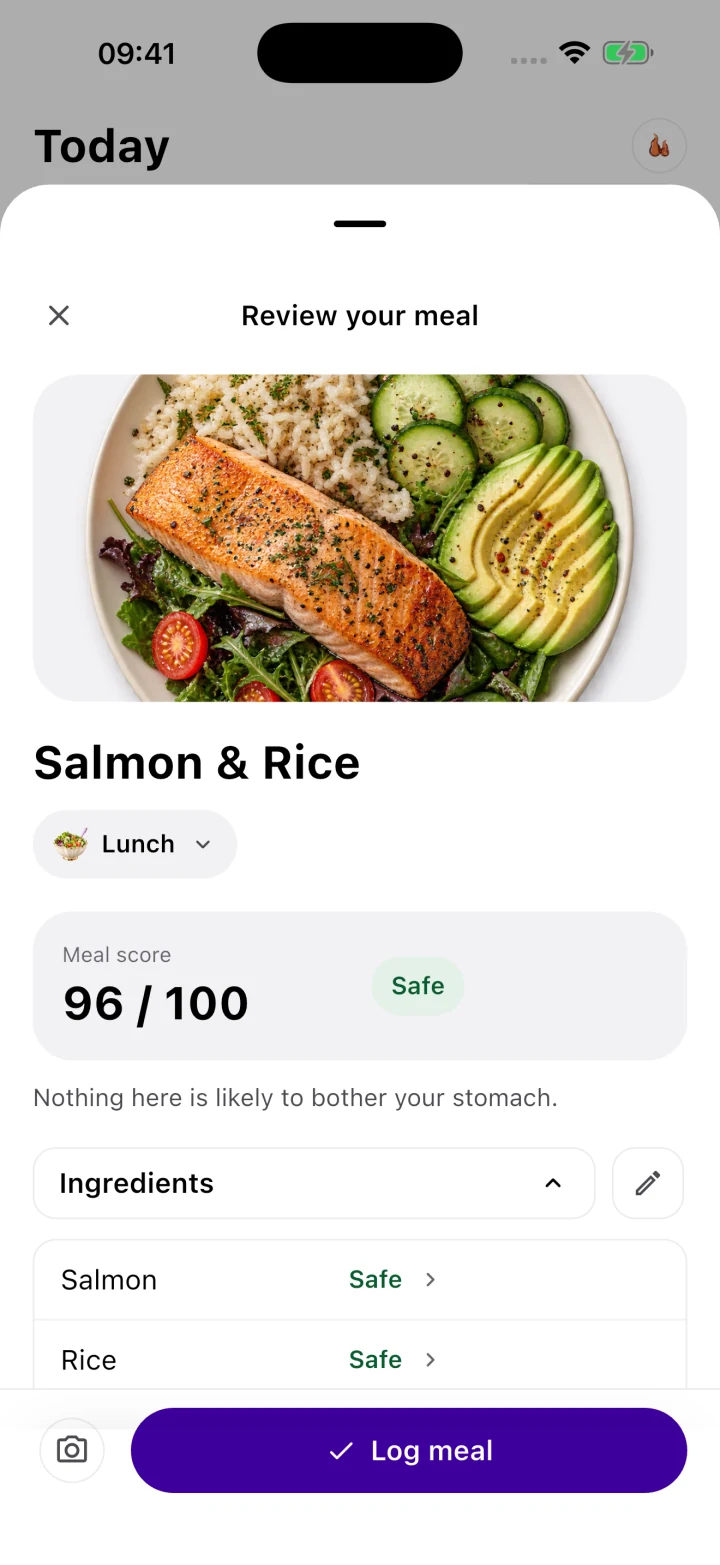
Quick Answer for Low FODMAP vs Low Acid Diet: A Low-FODMAP diet restricts fermentable carbohydrates to prevent gas and osmotic bloating in the small and large intestines (IBS), whereas a Low-Acid diet eliminates foods with a pH below 5.0 and reduces dietary fats to protect inflamed stomach and esophageal tissue (gastritis and GERD). Using a Low-FODMAP diet alone for gastritis often worsens upper stomach burning.
When a patient develops persistent digestive distress—burning in the upper abdomen, post-meal fullness, nausea, or unpredictable bloating—the most common dietary advice they encounter online or in brief primary care visits is to try the Low-FODMAP diet. Originally developed by researchers at Monash University, the Low-FODMAP protocol is the gold-standard dietary intervention for Irritable Bowel Syndrome (IBS).
However, in gastroenterology clinics, a predictable pattern happens almost every week. A patient diagnosed with chronic gastritis, gastroesophageal reflux disease (GERD), or functional dyspepsia adopts a strict Low-FODMAP diet hoping to calm their stomach. Within days, their upper abdominal burning intensifies, acid regurgitation increases, and meals feel like they are sitting in the stomach for hours.
The reason for this clinical mismatch is straightforward: the Low-FODMAP diet was engineered for the lower gastrointestinal tract, whereas gastritis and reflux are pathologies of the upper gastrointestinal tract.
Replacing wheat toast and apples with sourdough drizzled in garlic-infused olive oil, lemon-dressed salads, and dark chocolate successfully eliminates fermentable carbohydrates from the colon. Simultaneously, it floods an eroded, mucin-depleted stomach lining with hydrogen ions ($H^+$), reactivates dormant pepsin enzymes, and delays gastric emptying.
Understanding the biochemical and anatomical differences between a Low-FODMAP diet and a Low-Acid, mucosal-protective diet is essential. When you know exactly which physiological mechanism is driving your symptoms—or how to bridge both protocols if you are among the roughly 30% to 35% of patients who have overlapping gastritis and IBS—you can stop guessing at meals and start building a diet that supports tissue recovery.
Anatomical & Physiological Targets: Upper vs. Lower GI Tract
To understand why an IBS diet can aggravate gastritis, we have to look at the gastrointestinal tract not as a single tube, but as a series of specialized chemical compartments separated by muscular sphincters. What heals the colon can chemically burn the stomach, and vice versa.
The Upper GI Tract: Esophagus, Stomach, and Duodenum (The Low-Acid Target)
In gastritis (inflammation of the gastric mucosa), peptic ulcer disease, and GERD, the primary problem is a breakdown in the mucosal defensive barrier relative to chemical aggressors—specifically hydrochloric acid ($HCl$), pepsin, and occasionally bile salts.
A healthy stomach lining protects itself from its own digestive acid (which sits at a highly corrosive pH of 1.5 to 2.5) using a dual-layer defense system:
- The Mucus-Bicarbonate Barrier: Surface epithelial cells secrete a thick, viscid layer of mucin glycoproteins impregnated with bicarbonate ions ($HCO_3^-$). This creates a pH gradient: while the interior cavity (lumen) of the stomach has a pH of 2.0, the microscopic fluid layer directly touching the epithelial cells is buffered to a neutral pH of 6.5 to 7.0.
- Epithelial Tight Junctions and Prostaglandins: Endogenous prostaglandins ($PGE_2$ and $PGI_2$) maintain robust microvascular blood flow to the mucosa, supplying oxygen and nutrients while sweeping away back-diffusing hydrogen ions.
When gastritis develops—whether triggered by Helicobacter pylori infection, nonsteroidal anti-inflammatory drugs (NSAIDs), bile reflux, chronic alcohol intake, or severe physiological stress—this mucus-bicarbonate shield thins and breaks down. The underlying epithelial cells are left denuded and directly exposed to the gastric lumen.
At this stage, two biochemical mechanisms dictate whether a meal causes pain or allows healing:
1. Pepsin Activation Thresholds (pH < 4.0)
Pepsin is the stomach's chief proteolytic (protein-digesting) enzyme. Secreted as an inactive precursor called pepsinogen by gastric chief cells, it requires an acidic environment to unfold and cleave itself into active pepsin.
- Below pH 4.0, pepsin is highly active. When the mucus barrier is compromised, pepsin digests the exposed proteins of your own stomach wall and esophageal lining, causing the classic gnawing, burning sensation of gastritis and erosive esophagitis.
- Between pH 4.0 and 5.0, pepsin activity drops sharply.
- Above pH 5.0, pepsin is largely inactive, and above pH 6.5 to 7.0, it begins to denature.
A Low-Acid / Mucosal-Protective diet focuses on keeping the titratable acidity of incoming food above pH 5.0 to buffer stomach acid and prevent exogenous reactivation of tissue-bound pepsin in the esophagus and gastric antrum.
2. Lipid-Induced Cholecystokinin (CCK) Transit Delay
The stomach wants to empty carbohydrate and protein meals within 90 to 180 minutes. However, when concentrated dietary fats enter the duodenum (the first section of the small intestine), specialized enteroendocrine I-cells release the hormone cholecystokinin (CCK).
CCK signals the pyloric sphincter at the base of the stomach to contract and slows down antral peristalsis (stomach churning). While this delay gives the gallbladder and pancreas time to emulsify fats, in a gastritis or GERD patient, it is detrimental. Delayed gastric emptying means acidic gastric juice remains pooled against the inflamed stomach wall for 3 to 5 hours instead of 2, increasing intragastric pressure and triggering Transient Lower Esophageal Sphincter Relaxations (TLESRs)—the primary mechanical cause of acid reflux.
The Lower GI Tract: Distal Small Intestine and Colon (The Low-FODMAP Target)
Now consider Irritable Bowel Syndrome (IBS). Standard diagnostic endoscopies and biopsies of the stomach and colon in an IBS patient appear macroscopically normal. There are no peptic ulcers, no mucosal erosions, and no acid-driven chemical burns. Instead, IBS is a disorder of gut-brain interaction (DGBI) characterized by visceral hypersensitivity, altered motility, and intraluminal fermentation.
FODMAP stands for Fermentable Oligosaccharides (fructans, galacto-oligosaccharides), Disaccharides (lactose), Monosaccharides (excess fructose), and Polyols (sorbitol, mannitol). These are short-chain carbohydrates that are poorly absorbed in the human small intestine due to either a lack of specific brush-border enzymes (like lactase), low-capacity transport proteins (like GLUT5 for fructose), or the complete absence of human enzymes capable of breaking their molecular bonds (such as the fructose-fructose beta bonds in fructans).
Because these carbohydrates are not absorbed into the bloodstream, they travel intact down the digestive tract and cause symptoms via two distinct physical mechanisms—neither of which has anything to do with pH or pepsin:
1. Osmotic Water Shift in the Small Intestine
Small, osmotically active molecules like free fructose, lactose, and polyols act like magnets for water. As they pass through the jejunum and ileum, they pull fluid out of the surrounding vascular tissue and into the intestinal lumen to equalize osmotic pressure. This increased liquid volume distends the walls of the small intestine (triggering stretching pain) and accelerates transit, frequently resulting in loose stools or osmotic diarrhea (IBS-D).
2. Rapid Colonic Fermentation
Once these unabsorbed carbohydrates pass through the ileocecal valve into the large intestine, resident colonic bacteria rapidly ferment them. This bacterial metabolism produces large volumes of hydrogen ($H_2$), methane ($CH_4$), and carbon dioxide ($CO_2$) gas within 2 to 6 hours of eating.
In a person without IBS, this gas is absorbed or passed without discomfort. In a patient with IBS and visceral hypersensitivity, the enteric nervous system overreacts to the mechanical stretching of the bowel wall caused by this gas and fluid. The brain interprets normal or slightly elevated luminal distension as sharp cramping, lower abdominal pain, and severe visible bloating.
The Clinical Contrast:
- Gastritis/GERD (Upper GI): Chemical injury + mechanical pressure in the stomach and esophagus. Driven by low pH (< 4.0), pepsin proteolysis, high meal fat content (> 15g), coarse insoluble fiber abrasion, and vagal/LES relaxation. Symptoms peak 15 to 90 minutes after eating.
- IBS (Lower GI): Osmotic fluid shifts + bacterial gas fermentation in the ileum and colon. Driven by unabsorbed short-chain carbohydrates. Symptoms peak 2 to 8 hours after eating (or the following morning).
The Dangerous Overlaps: Why Low-FODMAP Foods Trigger Gastritis Flares
Because the Low-FODMAP diet only evaluates whether a food contains fermentable short-chain carbohydrates, its "Green Light" (safe) list includes dozens of foods that are chemically aggressive to the upper gastrointestinal tract.
At Gutrack, we evaluate meals using the Gastric Safety Index (GSI)—a proprietary 0 to 100 clinical scoring algorithm designed specifically for gastritis, GERD, and sensitive upper digestion. Unlike FODMAP charts, the GSI calculates safety based on eight upper-GI physiological vectors:
- Titratable Acidity & pH (penalizing foods below pH 5.0 and severely penalizing below pH 4.0).
- Lipid Density & CCK Load (evaluating total fat grams and saturation to predict gastric emptying times).
- LES Relaxation Potential (identifying methylxanthines, volatile oils, and carminatives that drop sphincter pressure).
- Mechanical & Abrasive Texture (scoring raw insoluble fibers, seeds, and Maillard-reaction crusts that physically scrape inflamed mucosa).
- Capsaicin & Neurogenic Irritants (detecting compounds that activate TRPV1 pain receptors on exposed gastric nerves).
- Gastric Volume & Osmolarity (evaluating liquid-to-solid ratios and carbonation).
- Thermal & Chemical Buffering Capacity (rewarding soluble beta-glucans, mucilaginous starches, and neutral proteins).
- Pepsinogen Secretagogue Load (measuring aromatic amino acids, calcium spikes, and organic acids like chlorogenic acid in coffee that stimulate parietal cell acid output).
On the GSI scale:
- 70–100 (Safe Zone): Gentle on the stomach lining, buffers gastric acid, promotes steady 90–120 minute emptying, and protects the mucosal barrier.
- 40–69 (Caution Zone): Moderate risk; tolerable during mucosal recovery phases or in small portions, but capable of causing mild reflux or fullness during an active flare.
- 0–39 (High Risk Zone): Directly irritates denuded mucosa, activates pepsin, relaxes the LES, or stalls gastric emptying.
When we run standard Low-FODMAP dietary staples through the Gastric Safety Index, the reason IBS diets worsen gastritis becomes immediately visible.
1. Garlic-Infused and Onion-Infused Oils (Low-FODMAP Safe / GSI Score: 22 - High Risk)
Garlic and onions are the highest sources of fructans in the human diet and are strictly banned during the elimination phase of a Low-FODMAP diet. Because fructans are water-soluble carbohydrates and cannot dissolve in fat, Monash guidelines encourage patients to use generous amounts of garlic-infused olive oil to add flavor without adding FODMAPs.
For a gastritis or GERD patient, this is a dual physiological trigger:
- The Lipid Load: One tablespoon of infused oil adds 14 grams of pure liquid fat to a meal. Two tablespoons add 28 grams. This concentrated lipid bolus triggers an immediate surge in duodenal cholecystokinin (CCK), slowing gastric motility and keeping acid trapped in the stomach.
- Volatile Organosulfur Compounds: While water-soluble fructans do not leach into the oil, fat-soluble volatile sulfur compounds—such as diallyl disulfide and allicin breakdown products—readily infuse into the lipid base. These compounds directly irritate exposed gastric TRPA1 and TRPV1 nociceptors (pain receptors) and lower the resting pressure of the lower esophageal sphincter.
2. Lemon Juice, Lime Juice, and Vinegars (Low-FODMAP Safe / GSI Score: 14 - High Risk)
Because onions and garlic are off-limits, Low-FODMAP recipes rely heavily on acidity to brighten flavors. Lemon juice (up to 1 tablespoon), lime juice, balsamic vinegar (1 tablespoon), apple cider vinegar, and red wine vinegar are all classified as Low-FODMAP safe.
Chemically, lemon and lime juice have a pH between 2.0 and 2.4. Vinegar sits between pH 2.4 and 3.4. When you swallow a vinaigrette or lemon-herb chicken, that wave of citric or acetic acid washes over the esophageal epithelium and gastric mucosa. Any dormant pepsin molecules adhering to the tissue are instantly reactivated (since the threshold is pH 4.0), initiating enzymatic self-digestion of the surface cells. For a patient with erosive gastritis or laryngopharyngeal reflux (LPR), a single Low-FODMAP lemon dressing can trigger 48 hours of epigastric burning and throat clearing.
3. Dark Chocolate and Cocoa (Low-FODMAP Safe / GSI Score: 18 - High Risk)
Milk chocolate contains lactose (a disaccharide), so Low-FODMAP protocols direct patients toward 70% to 85% dark chocolate, which is certified Low-FODMAP in 30-gram servings.
In the upper GI tract, dark chocolate is one of the most potent triggers for gastroesophageal reflux and gastritis pain. Cocoa solids are concentrated sources of theobromine and caffeine—two methylxanthine alkaloids. Methylxanthines inhibit phosphodiesterase enzymes in smooth muscle tissue, causing the lower esophageal sphincter (LES) to relax and lose its mechanical seal. Furthermore, 30 grams of 85% dark chocolate contains roughly 12 to 15 grams of cocoa butter (rich in stearic and palmitic saturated fats) alongside natural organic acids that stimulate gastric parietal cells to secrete more hydrochloric acid.
4. Unripe Kiwi, Pineapple, and Citrus Fruits (Low-FODMAP Safe / GSI Score: 25 - High Risk)
Apples, pears, watermelon, and ripe stone fruits are high in excess fructose and sorbitol, making them major IBS triggers. In contrast, oranges, clementines, strawberries, pineapple, and green kiwifruit are low in FODMAPs and widely recommended as daily snacks on IBS meal plans (green kiwi is even prescribed clinically for IBS-C constipation).
However, oranges (pH 3.3–4.2), strawberries (pH 3.0–3.9), pineapple (pH 3.2–4.0), and green kiwi (pH 3.1–3.6) all sit well below the pH 4.0 pepsin activation threshold. Additionally, raw pineapple contains bromelain and green kiwi contains actinidain—potent proteolytic enzymes designed to break down amino acid bonds. When placed directly onto an inflamed, mucin-depleted stomach lining, these exogenous proteases combined with citric and ascorbic acid create immediate chemical irritation.
5. Espresso and Black Coffee (Low-FODMAP Safe / GSI Score: 12 - High Risk)
Plain black coffee and espresso contain zero carbohydrates and are therefore 100% FODMAP-free. While Monash notes that caffeine can stimulate colonic motility in IBS-D, black coffee—and especially decaf black coffee—is permitted on Low-FODMAP charts.
In gastritis, both caffeinated and decaffeinated coffee are severe mucosal irritants. Coffee beans are rich in chlorogenic acids and N-alkanoyl-5-hydroxytryptamides (C5HTs) formed during the roasting process. Even when caffeine is removed, these compounds strongly stimulate gastrin release from G-cells in the gastric antrum, driving parietal cells to pump out hydrochloric acid. Coffee also strips the protective mucus layer and reduces LES tone, making it a primary cause of morning epigastric flares.
6. High-Fat Hard Cheeses and Macadamia Nuts (Low-FODMAP Safe / GSI Score: 34 - High Risk)
Because hard aged cheeses (cheddar, parmesan, Swiss) have had their lactose fermented away by bacteria during aging, they are Low-FODMAP safe. Similarly, macadamia nuts, peanuts, and walnuts are low in oligosaccharides compared to cashews and pistachios.
While lactose-free, aged cheddar is roughly 70% to 75% calories from saturated fat and contains high levels of tyramine and free glutamate. Macadamia nuts are 75% fat by weight and have a dense, rigid cellular matrix. Eating a handful of macadamias or 2 ounces of aged cheddar forces the stomach to perform aggressive mechanical grinding (antral trituration) while high lipid levels delay pyloric emptying. Raw nut fragments with sharp edges can physically abrade hyperemic (blood-engorged, fragile) gastric folds.
The Gastric Safety Index (GSI) vs. FODMAP Matrix
To illustrate why relying on a single dietary framework fails when upper GI sensitivity is present, the table below compares eight common foods and meals across both systems. Notice how foods that receive a perfect "Safe" rating for IBS can score in the "High Risk" zone on the Gastric Safety Index—and conversely, how classic gastritis healing foods can inadvertently trigger lower-bowel FODMAP bloating if not prepared correctly.
| Food / Meal Item | FODMAP Rating (Lower GI / IBS) | GSI Score (0–100) & Zone (Upper GI) | Primary Physiological & Biochemical Mechanism |
|---|---|---|---|
| Warm Rolled Oatmeal with Stewed Papaya | Safe (Low FODMAP up to ½ cup dry oats) | 92 / 100 Safe Zone |
Dual-Tract Optimal: Soluble beta-glucan fibers form a soothing colloidal gel over gastric mucosa; papaya sits at pH 5.5–5.9 (pepsin inactive) with zero fructan or polyol load. |
| Steamed White Rice with Poached Chicken Breast & Zucchini | Safe (Zero FODMAPs in rice/chicken; low in zucchini) | 94 / 100 Safe Zone |
Dual-Tract Optimal: Fully gelatinized starch absorbs excess intragastric $H^+$ ions; < 3g total lipid prevents CCK transit delay; zero colonic fermentation. |
| Baked Salmon with Garlic-Infused Olive Oil & Lemon Juice | Safe (Zero fructans in oil; lemon juice low FODMAP) | 24 / 100 High Risk |
Upper GI Trigger: Lemon juice (pH 2.2) reactivates mucosal pepsin; combined oil + salmon lipid load (> 28g fat) triggers strong duodenal CCK release, stalling stomach emptying for 4+ hours. |
| 85% Dark Chocolate (30g) & Espresso | Safe (Low lactose; zero carbohydrate in espresso) | 12 / 100 High Risk |
Upper GI Trigger: Chlorogenic acid in coffee drives parietal $HCl$ hypersecretion; theobromine and caffeine induce transient LES relaxations (TLESRs), causing immediate acid reflux. |
| Green Kiwi & Strawberry Bowl | Safe (Low FODMAP in standard 150g serving) | 28 / 100 High Risk |
Upper GI Trigger: High titratable acidity (pH 3.1–3.5) plus active proteolytic enzyme (actinidain in kiwi) chemically irritates denuded gastric epithelium and esophageal tissue. |
| Chamomile Tea with Manuka Honey & Stewed Apples | High Risk (High excess fructose & sorbitol) | 78 / 100 Safe Zone |
Lower GI Trigger: Soothing and anti-inflammatory for gastric mucosa (apigenin in chamomile calms vagal spasms, cooked pectin buffers acid), but fructose/sorbitol pulls osmotic water into the ileum and ferments in the colon. |
| Creamy Avocado Toast on Wheat Sourdough | Caution / High Risk (Perseitol polyol in > ⅓ avocado; wheat fructans) | 62 / 100 Caution Zone |
Dose-Dependent Overlap: Avocado has a neutral pH (6.3–6.6) that buffers acid, but > ½ avocado delivers > 15g monounsaturated fat (slowing gastric emptying) alongside polyols that trigger IBS bloating. |
| Aged Cheddar Cheese (50g) & Macadamia Nuts | Safe (Trace lactose; low oligosaccharides) | 31 / 100 High Risk |
Upper GI Trigger: Dense lipid concentration (> 32g saturated/monounsaturated fat) halts antral motility; coarse nut particles require prolonged acidic trituration and mechanically scrape inflamed gastric rugae. |
Why the Reverse Also Fails: When "Gastritis Foods" Trigger IBS
Just as an IBS diet can worsen gastritis, a standard "bland diet" or traditional gastritis protocol can trigger severe lower abdominal cramping and distension if you also have underlying IBS or Small Intestinal Bacterial Overgrowth (SIBO).
When gastroenterologists or general nutritionists tell a gastritis patient to "eat bland, soothing foods," the patient typically turns to items known for their demulcent or anti-inflammatory properties in the stomach:
- Manuka Honey: Widely used in gastritis protocols for its methylglyoxal antimicrobial activity against H. pylori and its viscous mucosal coating effect. However, honey has a high fructose-to-glucose ratio. Even one tablespoon can trigger osmotic water drawing and rapid fermentation in the distal small intestine, causing bloating 3 hours later.
- Chamomile and Fennel Teas: Chamomile is a mild antispasmodic that soothes gastric smooth muscle and scores well on the GSI (85/100). However, both chamomile and fennel tea are concentrated sources of water-soluble fructans. Steeped in hot water, these oligosaccharides leach directly into the cup, frequently causing lower-belly gas in FODMAP-sensitive patients.
- Bone Broth Made with Onions, Garlic, and Celery: Bone broth is rich in L-glutamine, glycine, and gelatin, which support gastric epithelial tight junctions. Yet almost all commercial and homemade bone broths are simmered for 12 to 24 hours with onions, garlic, and celery. Because fructans and mannitol are water-soluble, they leach completely out of the vegetables and into the broth. Drinking a mug of traditional bone broth is essentially drinking liquid fructans.
- Stewed Apples, Pears, and Prunes: Cooking apples into smooth applesauce breaks down harsh insoluble cellulose fibers and releases soluble pectin, making it much gentler on the stomach than a raw apple. However, cooking does not destroy monosaccharides or polyols. In fact, cooking concentrates the free fructose and sorbitol by evaporating water, turning a soothing stomach snack into a potent colonic gas generator.
- Skim Milk and Low-Fat Yogurt: Often recommended to buffer stomach acid in the short term while keeping fat low. Beyond the fact that milk calcium and casein proteins actually trigger a rebound surge in gastrin and stomach acid 60 minutes later, the high lactose content rapidly triggers IBS-D cramping in lactase-deficient individuals.
When a patient has both upper GI inflammation (gastritis/GERD) and lower GI hypersensitivity (IBS), eating these foods creates a confusing symptom loop. Their stomach burning might temporarily calm down, only for their lower abdomen to blow up like a balloon three hours later—which then pushes upward against the stomach and diaphragm, mechanically forcing acid back up into the esophagus.
How to Tell Which Condition Is Driving Your Symptoms (Or If You Have Both)
Before modifying your diet, it is vital to map your symptom chronology and anatomical location. In clinical practice, up to 35% of patients with functional dyspepsia or chronic gastritis also meet the Rome IV diagnostic criteria for IBS. Furthermore, long-term use of Proton Pump Inhibitors (PPIs like omeprazole or pantoprazole) prescribed for gastritis reduces the stomach's acid barrier, which can alter the downstream microbiome and predispose patients to Small Intestinal Bacterial Overgrowth (SIBO)—a condition that mimics IBS.
Use the following clinical differentiators to identify your primary driver:
1. Anatomical Location of Pain
- Gastritis / GERD (Upper GI): Pain and burning are localized to the epigastrium (the triangular area directly below your breastbone/sternum and between your front ribs), the left upper quadrant (under the left ribcage where the stomach curves), or radiating up behind the sternum into the throat.
- IBS (Lower GI): Pain and cramping are localized around the umbilicus (belly button), across the lower abdomen (hypogastrium), or in the left and right lower iliac fossae (near the hip bones, tracing the path of the sigmoid and ascending colon). Note: Trapped gas in the splenic flexure of the colon (high on the left side) can sometimes mimic stomach pain, known as splenic flexure syndrome.
2. Post-Prandial Timing (The Clock Test)
- 0 to 15 Minutes After Eating: Immediate retrosternal burning or throat clearing upon swallowing points to esophageal hypersensitivity, erosive esophagitis, or LPR triggered by direct contact with acidic (pH < 4.0) or spiced food.
- 15 to 90 Minutes After Eating: Gnawing pain, epigastric fullness, pressure, warmth, or nausea during this window is classic gastritis or delayed gastric emptying. The food is currently sitting in the stomach cavity, interacting with hydrochloric acid and pepsin.
- 2 to 6+ Hours After Eating: Bloating, tight waistbands, audible borborygmi (gurgling), flatulence, and lower abdominal cramping occurring several hours after a meal means the food has already left the stomach and entered the distal ileum and colon. This is FODMAP fermentation.
3. Relief vs. Aggravation Mechanisms
- Gastritis / Ulcer: Symptoms are rarely relieved by having a bowel movement or passing gas. They are typically aggravated by an empty stomach (when unbuffered acid bathes the mucosa) or by large, fatty, acidic meals.
- IBS: By definition under the Rome IV criteria, IBS abdominal pain is related to defecation (often temporarily relieved or worsened after a bowel movement) and is associated with a change in stool frequency or stool form on the Bristol Stool Scale.
The Dual-Safe Protocol: How to Combine Low-Acid and Low-FODMAP Safely
If you have confirmed or suspected overlap—such as endoscopy-proven gastritis alongside lower abdominal IBS bloating, or PPI-induced dysbiosis alongside reflux—you cannot simply follow a standard Low-FODMAP chart, nor can you follow a generic bland diet.
You need an intersectional approach: foods that score 70 or higher on the Gastric Safety Index (pH > 5.0, low lipid density, soft mechanical texture, zero LES relaxants) AND contain minimal fermentable oligosaccharides, disaccharides, monosaccharides, and polyols.
Warning Against Over-Restriction
Before implementing a dual protocol, a clinical caveat is necessary: combining a strict Low-Acid diet with a strict Low-FODMAP elimination diet for too long carries a real risk of micronutrient depletion, excessive weight loss, reduced microbiome diversity (specifically a drop in beneficial butyrate-producing Faecalibacterium prausnitzii and Bifidobacteria), and food-related anxiety.
When both upper and lower symptoms are active, always prioritize the Gastric Safety Index (mucosal protection) first for 14 to 21 days. Chemical erosion of the stomach and esophagus involves physical tissue damage that requires immediate buffering. Simply swapping high-FODMAP triggers for low-FODMAP equivalents within the High-GSI safe zone is usually sufficient to quiet both tracts without starving your microbiome.
Here is the clinical framework for building a Dual-Safe Meal Plan:
Rule 1: The Starch-First Colloidal Buffer
Begin every meal—especially breakfast, after an overnight fast when basal gastric juice is highly concentrated (pH 1.5–2.0)—with a warm, well-cooked, gelatinized complex carbohydrate that is both Low-FODMAP and high in soluble, non-abrasive fiber.
- Best Dual-Safe Starches:
- Rolled Oats (GSI: 92): Certified Low-FODMAP up to ½ cup (45g) dry weight. Cook with extra water or almond milk until soft and mucilaginous. The beta-glucan soluble fiber forms a soothing physical hydrogel over the gastric lining, absorbing excess hydrogen ions and shielding epithelial cells from pepsin.
- White Jasmine or Basmati Rice & Rice Congee (GSI: 96): Zero FODMAPs, neutral pH, nearly 100% digestible in the upper small intestine (leaving zero residue for colonic fermentation), and soothing to inflamed gastric rugae.
- Peeled, Boiled Potatoes (GSI: 90): Zero FODMAPs, rich in alkaline potassium salts that buffer stomach acid, and soothing when mashed with a splash of almond milk or olive oil (under 1 teaspoon) rather than butter and garlic.
- Quinoa Flakes or Well-Cooked Quinoa (GSI: 86): Low-FODMAP up to 1 cup cooked; provides complete amino acids for mucosal tissue repair without gluten or fructans.
Rule 2: Lean, Denatured Proteins (Keeping Lipids < 10–12g Per Meal)
Most plain animal proteins (poultry, fish, eggs) contain zero carbohydrates and are naturally 100% FODMAP-free. However, their GSI score depends entirely on fat content and cooking method.
- Avoid: Frying, charring, blackening (Maillard-reaction crusts are mechanically abrasive and chemically irritating to gastritis), and fatty cuts like ribeye steak, pork belly, lamb, or skin-on poultry.
- Choose Dual-Safe Proteins:
- Poached, Steamed, or Baked Chicken or Turkey Breast (GSI: 92): Low fat, rapid gastric transit, provides glutamine and proline to rebuild the gastric epithelium.
- White Flaky Fish—Cod, Tilapia, Halibut, Flounder (GSI: 94): Very low connective tissue (collagen) makes white fish the easiest animal protein for weakened gastric juice to break down, emptying from the stomach in under 90 minutes.
- Egg Whites or Soft-Poached Eggs (GSI: 88): Egg whites are pure albumin protein with zero fat and zero FODMAPs, acting as an effective acid buffer. Limit whole egg yolks to 1 per meal during an active gastritis flare to keep lipid-induced CCK release low.
- Firm Tofu (GSI: 85): Unlike silken tofu (which retains water-soluble galacto-oligosaccharides/GOS), firm and extra-firm tofu has had the liquid whey pressed out, making it Low-FODMAP safe while offering a soft, alkaline (pH ~7.2), low-fat protein source.
Rule 3: Well-Cooked, Low-FODMAP, Non-Acidic Vegetables
Raw vegetables (salads, raw carrots, raw broccoli) require intense mechanical grinding by the stomach antrum and excess acid secretion to break down rigid cellulose cell walls. In a gastritis patient, raw insoluble fiber acts like sandpaper on a sunburn. Always steam, boil, roast (with minimal oil), or puree your vegetables until fork-tender.
- Best Dual-Safe Vegetables:
- Carrots & Parsnips (Steamed or Pureed - GSI: 91): Zero FODMAPs, naturally sweet and alkaline when cooked.
- Kabocha Squash & Butternut Squash (GSI: 89): Japanese Kabocha squash is FODMAP-free in generous servings; butternut squash is Low-FODMAP up to ⅓ cup (45g). Their dense soluble pectin and beta-carotene content directly support mucosal healing.
- Zucchini / Courgette (Peeled and Steamed - GSI: 90): Low-FODMAP up to 65g (⅓ cup). Peeling the skin and cooking until soft removes insoluble fiber irritation.
- Baby Spinach & Swiss Chard (Wilted/Steamed - GSI: 87): Low-FODMAP up to 1.5 cups raw weight; steaming reduces volume and oxalates while delivering mucosal-repairing vitamin K and folate.
Rule 4: The Strict Fruit Filter (p
Clinical Evidence & Scientific References
- Gibson PR, Shepherd SJ. Evidence-based dietary management of functional gastrointestinal symptoms: The FODMAP approach. J Gastroenterol Hepatol. 2010;25(2):252-258.
- Koufman JA. Low-acid dietary intervention in functional upper digestive disorders. Otolaryngol Head Neck Surg. 2011;144(6):859-866.
- American College of Gastroenterology (ACG). Monograph on the Management of Irritable Bowel Syndrome and Functional Dyspepsia. Am J Gastroenterol. 2021.
Self-tracking tool, not clinical diagnosis
Gutrack provides evidence-based Gastric Safety Index estimates for daily self-management and diet optimization. It does not replace medical consultation, endoscopy, or treatment prescribed by a qualified gastroenterologist.
Frequently asked questions
Can a low FODMAP diet make gastritis or acid reflux worse?
Yes. The Low-FODMAP diet permits highly acidic foods like lemon juice (pH 2.2) and high-fat substitutes like garlic-infused oils. In patients with gastritis or GERD, dietary acids below pH 4.0 immediately activate pepsin on the eroded mucosa, while concentrated lipids trigger cholecystokinin (CCK) release, slowing gastric emptying by up to 60 minutes and increasing reflux episodes.
What is the difference between a low acid diet and a low FODMAP diet?
A Low-Acid diet targets the upper gastrointestinal tract (esophagus and stomach) by restricting foods below pH 5.0, limiting fats to under 10–15 grams per meal, and avoiding lower esophageal sphincter (LES) relaxants. A Low-FODMAP diet targets the lower gastrointestinal tract (ileum and colon) by restricting short-chain carbohydrates that draw water into the bowel and ferment into hydrogen and methane gas.
How do I know if I have IBS, gastritis, or both?
Gastritis symptoms occur in the upper abdomen (epigastrium) within 15 to 90 minutes of eating, presenting as gnawing pain, burning, early satiety, and nausea confirmed via upper endoscopy. IBS symptoms occur in the lower abdomen 2 to 6 hours post-meal, defined by cramping, distension, and altered bowel habits (diarrhea or constipation). Clinical studies indicate up to 35% of patients exhibit overlapping upper and lower tract disorders.
Why does garlic-infused oil trigger acid reflux on low FODMAP?
Fructans in garlic are water-soluble, not oil-soluble, making garlic-infused oil safe for IBS because it contains zero fermentable carbohydrates. However, pure oil is 100% lipid, which stimulates duodenal CCK receptors, delays gastric emptying, and contains volatile organosulfur compounds (like allicin derivatives) that induce transient lower esophageal sphincter relaxations (TLESRs), scoring a High-Risk 22/100 on the Gastric Safety Index.
This article is for educational purposes only and isn't a substitute for professional medical advice, diagnosis, or treatment. Gutrack is a self-tracking tool, not a medical device. If you're experiencing persistent or concerning symptoms, talk to a doctor.