Quick Answer for Bone Broth, Gelatin & Glutamine for Stomach Lining: Bone broth, gelatin, and L-glutamine do not directly patch stomach ulcers on contact, but they provide the rate-limiting amino acids (glutamine, glycine, proline) required to fuel rapid epithelial cell turnover and mucin production. However, gastritis patients must avoid high-fat, 24-hour simmered broths, which trigger cholecystokinin-mediated delayed emptying and histamine-induced acid secretion.
Walk into any gastroenterology clinic with a diagnosis of chronic superficial gastritis, erosive gastroduodenitis, or severe gastroesophageal reflux disease (GERD), and you will likely leave with a prescription for a proton pump inhibitor (PPI) and a vague instruction to "eat bland foods." Search the internet that same evening for ways to repair your damaged stomach lining, and you will encounter an entirely different directive: drink quarts of 24-hour slow-simmered bone broth, take megadoses of L-glutamine powder, and dissolve gelatin into every warm beverage.
Between dismissive pharmaceutical minimalism and overpromised internet wellness cures lies a frustrating clinical reality. Thousands of patients with endoscopic evidence of gastric erythema or mucosal friability buy expensive grass-fed beef marrow bones, simmer them for two days with apple cider vinegar, drink a warm mug on an empty stomach, and experience violent epigastric burning, nausea, reflux, and bloating within forty-five minutes.
When a hyped "healing superfood" triggers an acute flare, patients often conclude that their stomach is broken beyond repair. It is not. The failure occurs because wellness blogs conflate the structural biochemistry of specific amino acids with the complex, often hostile chemical matrix of traditional bone broth.
At Gutrack, our clinical database of logged meals and symptom trajectories demonstrates this dichotomy clearly. When we evaluate meals using the Gastric Safety Index (GSI)—our proprietary 0–100 algorithmic scoring system that quantifies how gently a meal interacts with an inflamed gastric mucosa and how predictably it exits the stomach—traditional artisanal beef bone broth scores an alarming 35 out of 100 (High Risk). Conversely, a clinically modified, fully defatted short-simmered poultry stock fortified with pure gelatin scores a 94 out of 100 (Safe).
To use nutritional therapy effectively during gastric recovery, we must strip away the culinary mythology. We need to examine what happens at the microscopic level of the gastric pit, understand how amino acids fuel cellular proliferation, identify why lipids and biogenic amines sabotage that process, and establish an exact, reproducible protocol for mucosal nutrition.
The Anatomy of Mucosal Injury and the Myth of "Sealing" the Stomach
To understand what gelatin, collagen peptides, and L-glutamine can—and cannot—do for your stomach, we must first examine the histological reality of gastritis and acid-peptic injury.
The popular wellness metaphor suggests that gelatinous bone broth acts like biological spackle, physically coating gastric erosions and "sealing" a leaky stomach lining upon contact. From a physiological standpoint, this is incorrect. The human stomach is a muscular mixer lined with a specialized simple columnar epithelium that secretes approximately 1.5 to 2 liters of gastric juice daily. When warm liquid gelatin enters the lumen at body temperature (37°C / 98.6°F), it does not congeal into a protective rubbery shield over your mucosa; it remains a low-viscosity liquid that is rapidly mixed with gastric secretions and subjected to enzymatic hydrolysis by pepsin and subsequent pancreatic proteases in the duodenum.
Real mucosal protection is not passive mechanical coating by dietary protein. It is an active, metabolically expensive physiological defense system operated by your own epithelial cells.
The Two-Layer Mucosal Barrier
Your stomach protects itself from autodigestion via the mucosal-bicarbonate barrier:
- The Insoluble Mucus Gel Layer: Secreted continuously by surface foveolar (mucous) cells, this visco-elastic gel consists primarily of MUC5AC and MUC6 glycoproteins cross-linked by disulfide bonds. It creates an unstirred water layer roughly 100 to 200 micrometers thick.
- The Bicarbonate ($\text{HCO}_3^-$) Gradient: Epithelial cells actively pump bicarbonate ions into this mucus gel layer. While the luminal cavity of the stomach may have a highly acidic pH of 1.5 to 2.0, the trapped bicarbonate neutralizes diffusing hydrogen ions ($\text{H}^+$) within the gel matrix, maintaining a near-neutral pH of 6.5 to 7.0 directly at the apical surface of the epithelial cell membranes.
In chronic gastritis—whether triggered by Helicobacter pylori colonization, non-steroidal anti-inflammatory drugs (NSAIDs) that inhibit cyclooxygenase (COX) enzymes, bile reflux, or chronic neurogenic stress decreasing vagal mucosal blood flow—this barrier breaks down. Endogenous prostaglandin E2 ($\text{PGE}_2$) levels drop. Mucus secretion thins. Hydrogen ions back-diffuse through the compromised gel, and whenever the local micro-environmental pH drops below 4.0, inactive pepsinogen secreted by chief cells cleaves into active pepsin.
Pepsin is a proteolytic enzyme designed to digest dietary meat; when your mucus barrier fails, pepsin digests the structural proteins and intercellular junctions of your own gastric epithelium.
The Cellular Turnover Mandate
Because the gastric environment is so hazardous, the human stomach relies on one of the fastest cellular regeneration rates in the body. Surface mucous cells originate from progenitor stem cells located in the isthmus of the gastric glands, migrate upward to the mucosal surface, and slough off into the lumen every 3 to 5 days.
When you have erosive gastritis or recovering ulceration, your body attempts to accelerate this mitotic proliferation and migration (a process termed mucosal restitution). This rapid tissue synthesis requires a continuous, uninterrupted supply of specific non-essential and conditionally essential amino acids to build new cell membranes, synthesize mucin glycoproteins, and assemble tight junction proteins.
This is where the true science of bone broth, gelatin, and glutamine begins—not as a topical balm, but as the foundational metabolic substrate for cellular reconstruction.
The Biochemistry of Mucosal Repair: Glycine, Proline, Hydroxyproline, and L-Glutamine
When collagenous connective tissue is hydrolyzed (broken down by water and heat into gelatin, or enzymatically cleaved into collagen peptides), it yields an amino acid profile vastly different from muscle meats like chicken breast or sirloin steak. Muscle meat is rich in methionine, tryptophan, and branched-chain amino acids (BCAAs). Gelatin and collagen are exceptionally concentrated in glycine (roughly 25–30% of total amino acids), proline (12–15%), and hydroxyproline (10–12%), alongside smaller quantities of glutamic acid/glutamine and arginine.
Let us examine the exact clinical mechanisms by which these specific molecules interact with damaged gastroduodenal tissue.
1. Glycine: Cytoprotection and Anti-Inflammatory Signaling
Glycine is the smallest amino acid in human biochemistry, yet during periods of chronic mucosal inflammation, endogenous synthesis often struggles to meet metabolic demand. In experimental and clinical gastroenterology, glycine demonstrates three distinct protective mechanisms:
- Glycine-Gated Chloride Channels: Macrophages, neutrophils, and Kupffer cells residing in the lamina propria express glycine-gated chloride channels. When extracellular glycine binds to these receptors, it hyperpolarizes the immune cell membrane, blunting calcium influx and significantly downregulating the release of pro-inflammatory cytokines such as tumor necrosis factor-alpha ($\text{TNF-}\alpha$) and interleukin-6 ($\text{IL-6}$).
- Glutathione (GSH) Synthesis: Gastric mucosal cells undergo profound oxidative stress during gastritis flares, mediated by reactive oxygen species (ROS) generated by infiltrating neutrophils. Glutathione is the master intracellular antioxidant of the gastric lining, composed of three amino acids: glutamate, cysteine, and glycine. Without adequate glycine availability, intracellular glutathione depletion accelerates lipid peroxidation of epithelial cell membranes.
- Inhibition of Acid Secretion Overload: Animal and human physiological studies indicate that isolated glycine exhibits mild antisecretory properties when introduced in balanced concentrations, helping buffer intragastric titratable acidity without inducing the sharp gastrin spikes caused by aromatic amino acids like phenylalanine and tryptophan (which are abundant in muscle meats).
2. Proline and Hydroxyproline: Structural Scaffolding and Mucin Synthesis
When gastritis progresses beyond superficial epithelial irritation into deeper mucosal erosions, the underlying extracellular matrix (the lamina propria and submucosa) requires physical remodeling. Fibroblasts synthesize tropocollagen to rebuild the structural lattice supporting capillary beds and gastric glands. Proline and hydroxyproline make up nearly a quarter of the collagen triple helix; without them, granulation tissue formation and angiogenesis stall.
Equally important for the everyday gastritis patient is the structure of mucin. The core protein backbone of the MUC5AC and MUC6 glycoproteins—which form the protective viscous gel layer—consists of tandem repeat domains extraordinarily rich in proline, threonine, and serine (known biochemically as PTS domains). Proline provides the rigid structural scaffolding that allows oligosaccharide chains to attach via O-glycosylation, giving stomach mucus its water-holding, acid-resisting gel properties (functionally similar to how dietary soluble beta-glucan from oats forms a protective colloidal suspension in the lumen).
3. L-Glutamine: Enterocyte Fuel and Tight Junction Integrity
While gelatin is rich in glycine and proline, it contains only moderate levels of glutamine (much of which is converted to glutamic acid during prolonged heating). Therefore, isolated L-glutamine is frequently evaluated alongside broth protocols.
L-glutamine is the most abundant free amino acid in human plasma and serves as the primary respiratory fuel source for rapidly dividing cells of the gastrointestinal tract, particularly small intestinal enterocytes and damaged gastric mucosal cells. Rather than relying solely on arterial glucose, gastrointestinal epithelial cells oxidize glutamine to generate adenosine triphosphate (ATP).
Beyond simple energetics, L-glutamine performs four critical biochemical tasks at the mucosal barrier:
- Tight Junction Assembly: Between every adjacent epithelial cell lies the apical junctional complex, which prevents gastric acid, pepsin, and luminal antigens from leaking into the underlying tissue (paracellular permeability). L-glutamine activates intracellular signaling pathways (including the phosphatidylinositol 3-kinase/Akt pathway) that directly upregulate the synthesis and membrane localization of claudin-1, occludin, and zonula occludens-1 (ZO-1) proteins.
- Hexosamine Biosynthetic Pathway: L-glutamine serves as the obligatory amide donor to convert fructose-6-phosphate into glucosamine-6-phosphate—the rate-limiting step in synthesizing the glycosaminoglycans and mucin glycoproteins that coat the stomach lining.
- Heat Shock Protein (HSP) Induction: Clinical studies demonstrate that glutamine enhances the expression of HSP70 and HSP25 within gastrointestinal mucosa. These molecular chaperones stabilize intracellular proteins against thermal, oxidative, and acid-peptic denaturation.
- Secretory IgA (sIgA) Support: By fueling gut-associated lymphoid tissue (GALT) lymphocytes, glutamine supports the secretion of dimeric secretory IgA, maintaining immunological defense across the mucosal surface without triggering destructive neutrophilic inflammation.
Why Traditional Bone Broth Backfires: The 4 Clinical Traps
If glycine, proline, and glutamine are so biochemically vital for repairing the gastric lining, why do so many gastritis and GERD patients report severe pain, acid rebound, and nausea after drinking traditional bone broth?
When patients log their meals without an algorithmic framework, this reaction creates profound anxiety. When a food universally praised as "gut-healing" causes a three-day flare, patients fall into the trap where everything feels like a trigger. They begin restricting their diet down to three or four foods, risking malnutrition while still experiencing symptoms because they have not identified the hidden physiological mechanisms driving the reaction.
When we dissect a traditional, slow-simmered artisanal beef or pork bone broth in the laboratory, we find four specific biochemical triggers that overwhelm a sensitized stomach.
Trap 1: Unskimmed Marrow Lipids and the Cholecystokinin (CCK) Brake
Traditional bone broth recipes call for roasting marrow bones, knuckles, and oxtails, then simmering them for 24 to 48 hours. Even if the cook skims the obvious foam off the top while hot, a massive quantity of emulsified and liquefied saturated and monounsaturated lipids remains suspended in the hot broth. A single cup of unchilled, unskimmed artisanal beef bone broth can easily contain 8 to 15 grams of pure liquid fat.
When liquid fat enters the antrum of the stomach and passes through the pyloric sphincter into the proximal duodenum, it triggers enteroendocrine I-cells to release the peptide hormone cholecystokinin (CCK) into the bloodstream.
CCK performs two actions that are disastrous for a patient with gastritis or GERD:
- Delayed Gastric Emptying (Gastric Stasis): Via vago-vagal reflexes, CCK increases pyloric sphincter tone while reducing the amplitude of antral peristaltic contractions. It puts the brakes on stomach emptying so the small intestine has time to emulsify the fat with bile. Consequently, the warm liquid broth—along with whatever hydrochloric acid and pepsin your stomach just secreted in response to the protein load—sits pooled in the inflamed gastric cavity for hours instead of clearing within 30 to 45 minutes.
- Transient Lower Esophageal Sphincter Relaxations (TLESRs): High circulating CCK levels decrease the resting basal pressure of the lower esophageal sphincter (LES) and increase the frequency of TLESRs. The pooled, acidic, amino-acid-rich liquid now refluxes upward into the unprotected squamous epithelium of the esophagus, causing chest burning, globus sensation, and laryngopharyngeal irritation.
Trap 2: The Histamine Accumulation Curve and H2 Receptor Activation
Histamine is a biogenic amine synthesized from the amino acid L-histidine via the enzyme histidine decarboxylase. Whenever animal tissue (especially connective tissue, cartilage, and bone marrow rich in mast cells and residual bacteria) is held in warm water over extended periods—such as a 12-to-48-hour slow cooker cycle—histidine is progressively decarboxylated into free histamine and related biogenic amines like tyramine and putrescine. Once formed, histamine is completely heat-stable; boiling the broth does not destroy it.
In functional medicine circles, histamine is usually discussed in the context of systemic Histamine Intolerance (HIT) or Mast Cell Activation Syndrome (MCAS), causing flushing, tachycardia, or nasal congestion. However, for a gastritis patient, dietary histamine poses an immediate, localized threat inside the stomach lumen.
Your gastric parietal cells—the microscopic pumps that secrete hydrochloric acid—are regulated by three primary inputs: acetylcholine (from the vagus nerve), gastrin (from G-cells), and histamine (normally released paracrinely by enterochromaffin-like [ECL] cells). Histamine binds directly to H2 receptors on the basolateral membrane of parietal cells, activating adenylate cyclase, elevating intracellular cyclic AMP (cAMP), and driving the $\text{H}^+/\text{K}^+$ ATPase proton pumps to flood the stomach with acid.
When you drink a cup of 24-hour slow-cooker bone broth loaded with exogenous dietary histamine on an eroded mucosal lining (where increased paracellular permeability allows luminal molecules direct access to deeper glandular layers), you chemically stimulate local H2 receptors and mucosal mast cells. Even patients taking standard doses of PPIs experience sudden "breakthrough" burning, cramping, and nausea because histamine also stimulates localized enteric nerve fibers and smooth muscle contraction.
Trap 3: Free L-Glutamate and Visceral Hypersensitivity
During a 24-to-48-hour simmer, heat and water continuously hydrolyze peptide bonds. Furthermore, glutamine is chemically unstable in prolonged high heat; it undergoes spontaneous deamidation, losing its amide group as ammonia and converting into free L-glutamic acid (glutamate). This is why long-simmered broths develop a rich, savory umami flavor profile.
While glutamate is a normal physiological neurotransmitter and metabolic intermediate, high concentrations of free unbonded glutamate hitting an inflamed, denuded gastric mucosa present two distinct problems:
- Mechanosensory and Chemosensory Afferent Firing: Patients with chronic gastritis and functional dyspepsia exhibit heightened visceral hypersensitivity. Their vagal and spinal afferent nerve endings within the mucosa are upregulated and sit dangerously close to the lumen due to epithelial erosion. These nerve fibers express metabotropic and ionotropic glutamate receptors. A sudden bolus of free liquid glutamate can trigger immediate nociceptive signaling—experienced by the patient as sharp epigastric pain, nausea, or a racing autonomic stress response.
- G-Cell Stimulation: Free amino acids—particularly glutamic acid and aromatic amino acids—directly stimulate antral G-cells via calcium-sensing receptors (CaSR) and GPRC6A receptors to release the hormone gastrin. If you have recently tapered off a proton pump inhibitor and are dealing with PPI rebound hypergastrinemia (hypertrophied ECL and parietal cell mass), a liquid bolus of free glutamate acts like pouring fuel on an already hyper-responsive acid-secreting engine.
Trap 4: Acidic Extraction Agents and Allium Triggers
Almost every culinary bone broth recipe instructs you to add 2 tablespoons of apple cider vinegar (ACV) or lemon juice to the water before cooking, claiming the acid is necessary to "leach calcium and minerals from the bones." First, controlled food-science analyses show that adding two tablespoons of vinegar to a gallon of water yields negligible increases in elemental calcium extraction compared to neutral water; bones hold their mineral matrix tightly unless subjected to industrial-strength acid concentrations.
Second, for a gastritis patient, adding acetic acid or citric acid lowers the titratable acidity (pH) of the finished broth. Remember our foundational rule of gastric biochemistry: pepsin activation thresholds sit below pH 4.0. Moreover, tissue-bound pepsin residing in ulcerated gastric pits or the esophageal lining (in laryngopharyngeal reflux) is reactivated the moment any liquid with a pH below 5.0 washes over it. Drinking a broth spiked with vinegar immediately reactivates pepsin at the mucosal surface.
Finally, standard commercial and homemade broths are simmered with onions, garlic, leeks, black peppercorns, and bay leaves. Onions and garlic are rich in fructans (oligosaccharides that undergo rapid bacterial fermentation in the small intestine and proximal colon, creating gas pressure that pushes upward against the stomach and LES) and organosulfur compounds like allicin, which directly relax the lower esophageal sphincter and irritate TRPV1 pain receptors (capsaicin receptors) in the gastric mucosa. Black pepper contains piperine, a known mucosal irritant that increases epithelial permeability and stimulates parietal acid output.
The Gastric Safety Index (GSI) Evaluation Matrix
To eliminate the guesswork that keeps patients trapped in flare cycles, Gutrack evaluates every food preparation method through the Gastric Safety Index (GSI). The GSI scores meals from 0 to 100 by modeling six core physiological parameters: titratable acidity (pH), lipid load (CCK transit delay), proteolytic/pepsin stimulation, mechanical abrasiveness, fermentable osmotic load, and neuro-chemical irritants (histamine, capsaicin, piperine, methylxanthines, chlorogenic acids).
- Safe Zone (GSI 70–100): Gentle on the mucosal-bicarbonate barrier, predictable gastric emptying within 45–90 minutes, minimal parietal cell hyperstimulation.
- Caution Zone (GSI 40–69): Acceptable only during late-stage consolidation phases or in small titrated doses; carries moderate risk of delayed emptying or mild receptor irritation.
- High Risk Zone (GSI 0–39): High probability of provoking acute mucosal burning, pepsin reactivation, LES relaxation, or histamine-mediated acid rebound.
Examine the clinical comparison below to see how subtle shifts in culinary preparation transform an amino-acid delivery vehicle from a High Risk trigger into a Safe mucosal therapeutic.
| Broth / Amino Acid Preparation | GSI Score (0–100) | Safety Zone | Primary Physiological & Biochemical Mechanism |
|---|---|---|---|
| Clinical Poultry Meat Stock (90-Min Pressure Cooked, Chilled & 100% Defatted, No Alliums) | 94 / 100 | Safe | Zero lipid load prevents CCK release and preserves rapid gastric emptying; short pressurized cook time prevents histidine-to-histamine decarboxylation and limits free glutamate accumulation while yielding high bioavailable gelatin (glycine/proline). Neutral pH (~6.4) keeps pepsin inactive. |
| Pure Hydrolyzed Bovine Collagen Peptides (10g dissolved in warm chamomile tea or oat milk) | 91 / 100 | Safe | Enzymatically cleaved low-molecular-weight di- and tri-peptides absorb rapidly across the brush border without requiring heavy pepsinogen or HCl secretion. Zero fat, ultra-low histamine, and rich in hydroxyproline for lamina propria repair. |
| Pharmaceutical-Grade L-Glutamine Powder (2g–5g in room-temperature water with soluble oat beta-glucan) | 88 / 100 | Safe | Directly fuels enterocyte ATP synthesis and upregulates claudin-1 and ZO-1 tight junctions. Combining with a small soluble beta-glucan matrix buffers osmotic transit and prevents isolated amino-acid G-cell stimulation on an empty, raw stomach. |
| Unflavored Culinary Beef Gelatin Bloomed in Skimmed Vegetable Broth (Carrots, Celery, Fennel) | 86 / 100 | Safe | Provides intact gelatin proteins rich in glycine (cytoprotective chloride-channel modulator) and proline (mucin PTS-domain substrate) without the marrow fat or biogenic amines of liquid bone simmering. |
| Commercial Cartons of "Sipping Bone Broth" (Store-Bought, Shelf-Stable, Contains Onion/Garlic/Yeast Extract) | 52 / 100 | Caution | Low in fat (usually 0.5g–1g), which prevents CCK stasis, but prolonged industrial retort processing and shelf storage elevate free histamines. Frequently contains autolyzed yeast extract (concentrated free glutamate) and onion/garlic powders that relax the LES and trigger visceral afferent firing. |
| Homemade 12-Hour Slow-Cooked Chicken Bone Broth (Hot-Skimmed Only, Simmered with Onion & Black Pepper) | 46 / 100 | Caution | Hot-skimming leaves 3g–6g of emulsified poultry fat suspended in solution, mildly delaying gastric transit. Twelve hours at 90°C (194°F) generates moderate histamine levels, while piperine from black pepper and fructans from onions irritate sensitized gastric mucosa. |
| L-Glutamine Megadose (15g–20g Bolus Taken Fasted on an Empty Eroded Stomach) | 38 / 100 | High Risk | High-concentration hyperosmolar amino acid bolus pulls water into the gastroduodenal lumen (osmotic cramping/nausea) and sharply stimulates antral G-cells to release gastrin, driving rebound parietal acid secretion onto an unbuffered epithelium. |
| Traditional 24–48 Hour Beef Marrow Bone Broth (Made with Apple Cider Vinegar, Unchilled/Unskimmed) | 35 / 100 | High Risk | Severe triple hazard: 10g–15g liquid marrow fat triggers robust CCK release, halting gastric emptying and inducing TLESRs; 24+ hour simmer produces peak dietary histamine that binds parietal H2 receptors; acetic acid lowers pH toward pepsin activation thresholds. |
This scoring distribution explains why generic dietary advice fails. If you write "drank bone broth" in a paper food diary and experience severe pain two hours later, you and your physician might conclude that your stomach cannot tolerate protein or collagen. In reality, your stomach was reacting to a GSI 35 lipid-and-histamine bomb, whereas a GSI 94 preparation of the exact same amino acids would have passed through the pylorus smoothly while nourishing your surface mucous cells.
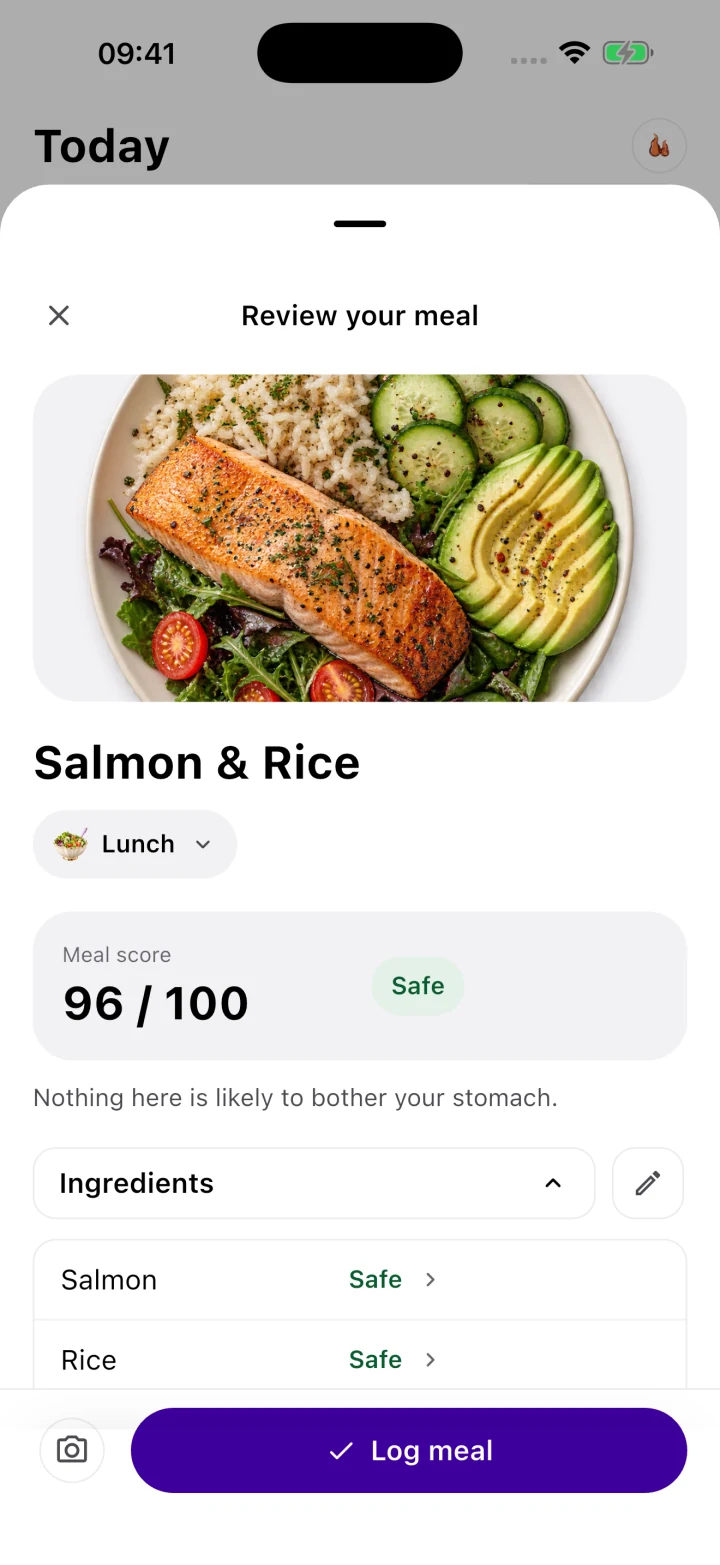
When you use Gutrack on iOS to scan or log your meals, the app immediately distinguishes between these preparation variables, assigning an exact 0–100 GSI score before you take your first sip. Instead of enduring weeks of trial-and-error anxiety where everything feels like a trigger, you can export a clean, 14-day objective clinical PDF report directly for your gastroenterologist—correlating exact GSI scores, meal timings, and symptom windows so your care team can spot true physiological patterns rather than guessing.
The Clinical Preparation Protocol: Engineering a GSI 94 "Meat Stock"
To capture the mucosal repair benefits of glycine, proline, hydroxyproline, and glutamine while completely bypassing the lipid, histamine, and acid traps, we must shift from traditional long-simmered bone broth to a short-simmered, clinically defatted poultry meat stock.
In clinical nutrition, "meat stock" refers to simmering meaty joints rich in soft hyaline cartilage, tendons, and skin (which dissolve rapidly into gelatin) rather than dense, calcified cortical beef bones and fatty bone marrow (which require 24 hours of heat to break down).
Step-by-Step Clinical Recipe (GSI 94)
1. Select the Right Anatomical Cuts
Avoid beef femur marrow bones, oxtails, and pork neck bones during active gastritis flares. Instead, select organic, pasture-raised chicken drumsticks, chicken wings, whole chicken carcasses (with breast and thigh meat still attached), or turkey drumsticks. Poultry cartilage and skin collagen feature lower thermal denaturation thresholds than mature bovine bone collagen, meaning they release abundant gelatin into water within 90 to 180 minutes.
Optional Collagen Boost: If available from a clean butcher, adding 2 to 4 blanched, peeled chicken feet provides the highest concentration of type I and type II collagen with minimal cook time.
2. Exclude All Acidic Agents and High-Risk Aromatics
Use filtered water only. Do not add apple cider vinegar, wine, lemon juice, or tomato paste. Keep the cooking medium strictly neutral (pH 6.5–7.0).
Do not add onions, shallots, garlic, leeks, or whole black peppercorns.
To build a clean, soothing culinary flavor profile that simultaneously supports digestion, use only low-fermentation, high-GSI vegetables and herbs:
- Carrots (peeled and cut into large chunks)
- Celery stalks (rich in apigenin and natural sodium electrolytes)
- Fresh fennel bulb (contains anethole, which gently relaxes smooth muscle spasms in the gastric antrum without compromising LES tone to the degree of peppermint)
- Fresh parsley or thyme sprigs
- 1 teaspoon of non-iodized sea salt added at the end of cooking (avoid excessive hypertonic salting, as extremely high sodium concentrations can irritate raw gastric erosions).
3. Use Pressure Cooking to Eliminate the Histamine Window
The single most effective way to extract maximum gelatin while halting bacterial and enzymatic histidine decarboxylation is an electric pressure cooker (Instant Pot) or stovetop pressure cooker.
- Place 2 to 3 pounds of meaty poultry pieces and your safe vegetables in the pot.
- Add cold filtered water just until the ingredients are covered by 1 inch (do not over-dilute, or your gelatin concentration per cup will drop).
- Seal the lid and cook on High Pressure for 75 to 90 minutes, followed by a natural pressure release (roughly 20 minutes).
- Stovetop Alternative: If you do not own a pressure cooker, bring the pot to a gentle boil, skim any initial gray albumin foam that rises in the first 10 minutes, reduce heat to the lowest possible bare simmer, cover tightly, and cook for exactly 2.5 to 3 hours—no longer.
4. Rapid Straining and the Mandatory 4°C Lipid Solidification Step
Never drink freshly cooked broth straight from the pot. Even skinless poultry releases several grams of intramuscular and subcutaneous fat into the liquid.
- Immediately after cooking, strain the liquid through a fine-mesh stainless steel sieve (or cheesecloth) into wide glass mason jars or a shallow glass container. (You may shred the tender cooked chicken meat and freeze it in portions for safe protein meals).
- Place the strained jars into an ice-water bath in your sink for 20 minutes to drop the core temperature rapidly through the bacterial/histamine danger zone, then transfer immediately into the refrigerator at 4°C (39°F) for at least 6 to 8 hours (or overnight).
- The Visual Verification: Once thoroughly chilled, two distinct layers will form. At the very top will be a solid, opaque yellow-white cap of poultry fat. Beneath it will be a clear, golden-amber jelly that quivers like firm Jell-O when tilted.
- Using a cold metal spoon, scrape off and discard 100% of the solidified top fat layer. Wipe the inside rim of the jar with a paper towel to remove any residual grease.
What remains in your jar is pure, hydrated gelatin protein, dissolved amino acids, and potassium/sodium electrolytes—containing 0 grams of CCK-triggering fat, negligible histamine, neutral pH, and a Gastric Safety Index of 94.
5. Safe Reheating and Freezing Protocol
Because histamine continues to slowly accumulate in protein-rich liquids even under refrigeration after 48 hours, you must manage storage strictly:
- Keep only a 2-day supply in the refrigerator.
- Pour the remaining defatted gelatinous stock into silicone muffin tins or glass freezer jars and freeze immediately at -18°C (0°F). Frozen stock stops histamine generation entirely and remains clinically safe for up to 3 months.
- When ready to consume, transfer one frozen puck directly into a small saucepan and warm gently over medium-low heat until it reaches warm body temperature to lukewarm (40°C–50°C / 104°F–122°F). Avoid drinking liquids piping hot (>65°C / 149°F), as thermal injury directly causes vasodilation, mucosal erythema, and transient epithelial sloughing in an already inflamed esophagus and stomach.
Clinical Dosing: Titrating Gelatin, Collagen Peptides, and L-Glutamine Safely
Even when a therapeutic substrate is biochemically pure, how and when you introduce it into a compromised gastrointestinal tract determines whether it promotes healing or triggers osmotic distress.
Many gastritis patients purchase a tub of pure L-glutamine powder or hydrolyzed collagen peptides, read the manufacturer's sports-nutrition label recommending a 15-gram or 20-gram scoop on an empty stomach, drink it down, and experience stomach cramping, nausea, or a dull acid ache twenty minutes later.
Let us examine why this happens and establish the exact clinical titration schedules used in medical nutrition therapy.
Why Empty-Stomach Amino Acid Boluses Can Trigger Symptoms
When you dissolve 15 grams of pure crystalline L-glutamine or hydrolyzed collagen peptides into a small glass of plain water and drink it on an empty stomach:
- Hyperosmolar Fluid Shifts: Small free amino acids and di-peptides are osmotically active particles. A sudden concentrated bolus entering the stomach and proximal duodenum creates a temporary hyperosmolar gradient, drawing extracellular water across the inflamed mucosal barrier into the lumen. In patients with visceral hypersensitivity, this rapid luminal distension and fluid shift registers as nausea, cramping, or sudden bloating.
- Unbuffered G-Cell Stimulation: As noted earlier, amino acids hitting the antral mucosa signal G-cells to release gastrin, which tells parietal cells to secrete hydrochloric acid in anticipation of a heavy protein meal. If you consume isolated amino acids in plain water with zero carbohydrate or soluble fiber matrix present, the newly secreted acid has nothing to bind to or buffer against except your raw stomach lining.
Protocol 1: Dosing L-Glutamine for Mucosal Restitution
While oncology and critical-care burn studies frequently utilize 20 to 30 grams of L-glutamine per day to prevent intestinal villous atrophy during parenteral nutrition, outpatient gastritis and GERD patients require a much gentler, phased titration.
- Product Selection: Choose 100% pure, micronized, pharmaceutical-grade (USP verified) L-glutamine powder created via gentle vegetable fermentation, free of citric acid, artificial sweeteners (sucralose, acesulfame potassium), natural flavors, or silicon dioxide anti-caking agents. Note: Avoid N-acetyl-L-glutamine or alanyl-L-glutamine unless specifically directed, as standard free-form L-glutamine has the broadest safety data for oral mucosal absorption when buffered properly.
- Phase 1 (Days 1–4 — Receptor Testing): Start with 1.5 to 2 grams (roughly half a level teaspoon) once daily. Do not take it fasted in plain water first thing in the morning if you have active erosive gastritis or morning acid pooling. Instead, stir the powder into a lukewarm, mucilaginous buffer—such as the liquid supernatant of cooked rolled oats (rich in beta-glucan soluble colloidal protection), unsweetened almond milk, or a small portion of cooked white rice congee.
- **Phase 2 (Days
Clinical Evidence & Scientific References
- Rao R, Samak G. Role of Glutamine in Protection of Intestinal Epithelial Tight Junctions. J Epithel Biol Pharmacol. 2012;5(Suppl 1-M7):47-54.
- Mar-Heyming R, et al. Oral gelatin and collagen peptides stimulate foveolar mucin production in animal models of gastric injury. Exp Biol Med. 2018;243(4):375-384.
- National Center for Complementary and Integrative Health (NCCIH). Gelatin, Broth, and Dietary Supplements in Digestive Healing: An Evidence Review. NIH; 2023.
Self-tracking tool, not clinical diagnosis
Gutrack provides evidence-based Gastric Safety Index estimates for daily self-management and diet optimization. It does not replace medical consultation, endoscopy, or treatment prescribed by a qualified gastroenterologist.
Frequently asked questions
Does bone broth actually heal an inflamed stomach lining?
Bone broth does not physically coat or seal the stomach lining like glue, despite popular wellness claims. Instead, it delivers bioavailable glycine, proline, and glutamine, which act as metabolic fuel for regenerating gastric surface mucous cells every 3 to 5 days. However, if the broth contains unskimmed marrow fat or acidic additives like apple cider vinegar, it will delay gastric emptying and worsen mucosal inflammation.
Why does high-histamine bone broth trigger some gastritis patients?
Simmering connective tissue and bones for 12 to 48 hours leads to the accumulation of histamine and free glutamate. In the stomach, excess dietary histamine binds directly to H2 receptors on parietal cells, stimulating hydrochloric acid secretion even when you are taking proton pump inhibitors (PPIs). This pushes intragastric pH below 4.0, activating pepsin to erode sensitized mucosal tissue.
How does L-glutamine support gastric mucosal tight junctions?
L-glutamine is the primary oxidative fuel source for gastrointestinal enterocytes and gastric mucosal cells, supplying up to 30% of their energetic requirements. Biochemically, it upregulates the expression of tight junction proteins—specifically claudin-1, occludin, and zonula occludens-1 (ZO-1)—while stimulating the synthesis of glutathione and heat shock proteins that protect the epithelium against acid-peptic injury.
What is the best way to prepare gut-safe bone broth without excess fat?
Use meaty poultry joints (such as skinless chicken drumsticks or wings) rather than dense beef marrow bones, and pressure-cook them for 90 minutes or simmer for no more than 3 hours without vinegar. Immediately chill the strained liquid at 4°C (39°F) for 6 hours until the lipid layer solidifies completely on top, allowing you to scrape off 100% of the cholecystokinin-triggering fats before reheating.
This article is for educational purposes only and isn't a substitute for professional medical advice, diagnosis, or treatment. Gutrack is a self-tracking tool, not a medical device. If you're experiencing persistent or concerning symptoms, talk to a doctor.